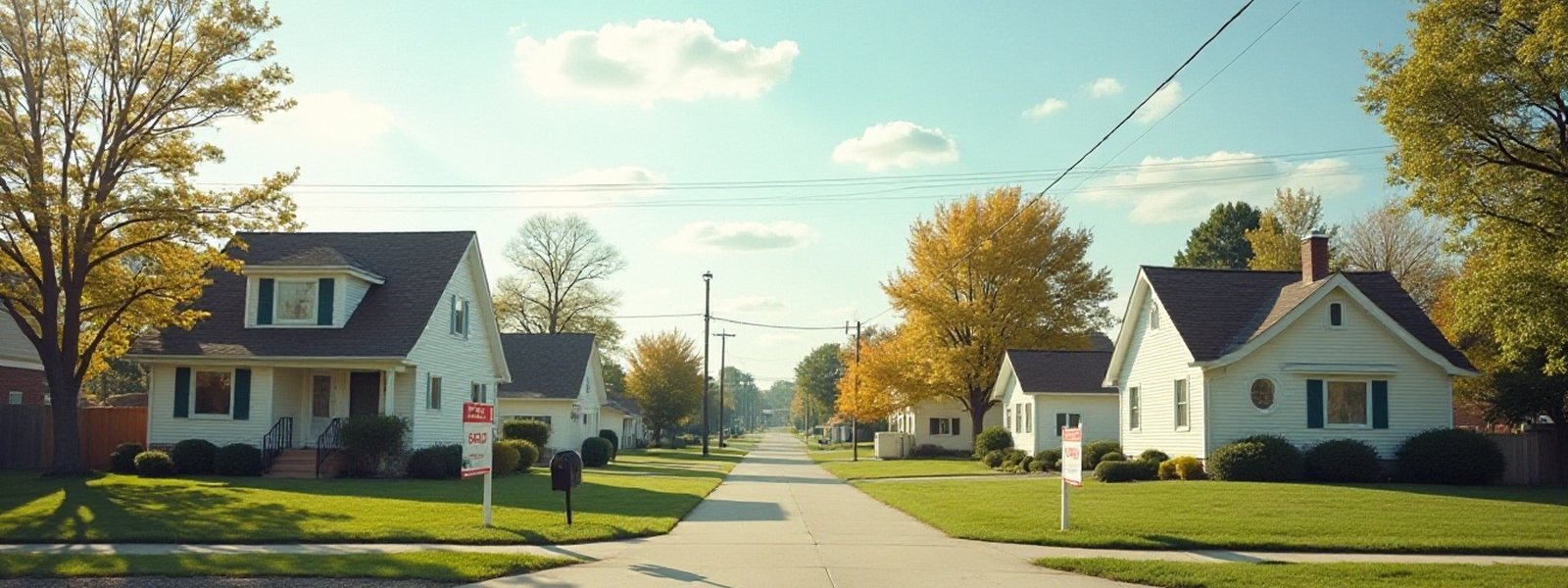
Wisconsin is a practical state for investors: statewide landlord rules with short notice periods, no local rent control, a small transfer fee, and several metro areas big enough to support lending. The catches are high property taxes and a stretch of the north that sits too far from any large metro for most lenders. Here is how it all fits, and what our lending partners offer.
Our lending partners' underwriting guidelines look for property within about 45 to 60 minutes of a metro area of 200,000 people or more, so that values are backed by real sales and finished houses have buyers. Wisconsin has more qualifying metros than most states its size, and they cover most of the population.
Southeast Wisconsin: Milwaukee and its suburbs, Waukesha, Racine and Kenosha, which also sits at the edge of the Chicago metro. Sheboygan and West Bend are within reach.
Madison and Dane County, with Janesville and Beloit within about 45 minutes.
The Fox Valley and Green Bay: Green Bay, Appleton, Neenah, Oshkosh and Fond du Lac.
The edges: Superior sits in the Duluth metro, and the St. Croix Valley towns such as Hudson and River Falls are in the Minneapolis-St. Paul metro.
Where it gets harder: Wausau, Eau Claire and La Crosse are regional centers whose own metros are under 200,000 people and well over an hour from a larger one. The Northwoods are farther still. Check any address there before you commit. Two more rules apply statewide: a finished value of at least $100,000, and a lot of two acres or less.
Wisconsin sets landlord-tenant rules in state statute, with no statewide just-cause requirement and a state ban on local rent control, so the rules are the same in Milwaukee as in Madison.
Unpaid rent. For a month-to-month tenancy or a lease of one year or less, the landlord can serve a five-day notice to pay or vacate. If the tenant pays in full, the tenancy continues. A second nonpayment within a year allows a 14-day notice with no chance to cure. Leases longer than a year require 30 days.
Ending a month-to-month tenancy takes at least 28 days' written notice, effective at the end of a rental period, and no reason is required.
Security deposits must be returned within 21 days after the tenant leaves, with an itemized list of deductions. Wisconsin's rental consumer protection rules spell out what a landlord may and may not deduct and what must be disclosed at the start of a tenancy.
Evictions run through small claims court. For a buy-and-hold investor, Wisconsin is one of the more predictable states in the Midwest to be a landlord in.
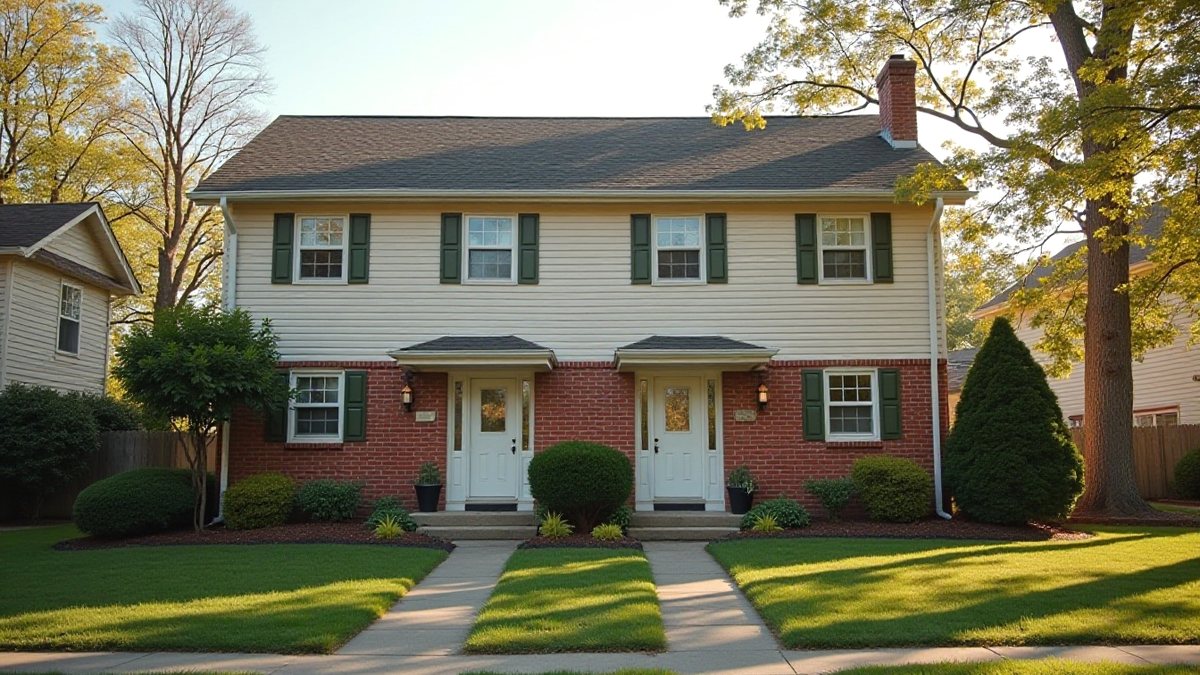
Transfer fee. Wisconsin's real estate transfer fee is $3 per $1,000 of value, 0.3 percent, normally paid by the seller. On a $250,000 resale that is $750, modest next to many states.
Property tax. Wisconsin property taxes are among the higher ones in the Midwest, and they are set locally, so they vary widely from one municipality to the next. The state's lottery and gaming credit applies only to an owner's primary residence, so a rental never gets it. Get the property's actual tax bill and the local mill rate before you estimate holding costs, especially on a buy-and-hold.
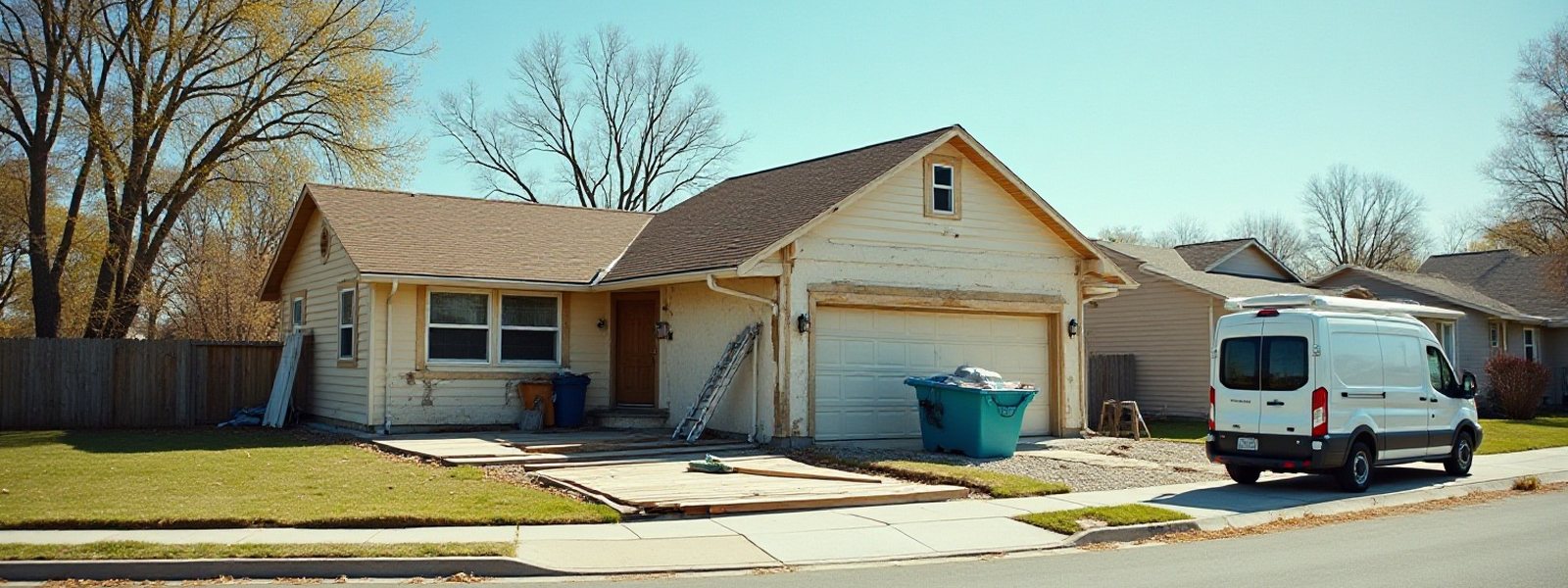
Winter. A flip that runs through a Wisconsin winter carries heat for a vacant house and a pause on exterior work. Our lending partners' guidelines describe nine months as the standard term, so a project bought in the fall with a new roof in the plan should count on spring for that work.
Foreclosure goes through the courts in Wisconsin, which is part of why every lender weighs the exit plan so heavily here.
No Wisconsin county is on the list where our lending partners cap leverage at 50 percent, so standard terms apply statewide wherever the location test is met.
Fix and flip and bridge loans: from $50,000, up to 100 percent of cost but no more than 70 percent of after-repair value, with a 600 minimum credit score. Standard pricing under the underwriting guidelines is 12.99 percent and 2.99 points. The 10.99 percent starting rate is available after two loans have been paid off in good standing with our lending partner; a first-time borrower should expect to start above it and earn the way down.
DSCR rental loans: $75,000 to $2 million at up to 80 percent of value, qualified on the rent, with rates from 5.99 percent on the program page.
Construction loans: $100,000 to $3 million on non-owner-occupied single-family homes, from 8.5 percent.
Loans close in an entity such as an LLC, and every owner of 30 percent or more personally guarantees the loan. Terms change, so we confirm them for your property before you commit.
Yes. Wisconsin is one of the states our lending partners finance in. The property must be non-owner-occupied, have an after-repair value of at least $100,000, and sit within roughly 45 to 60 minutes of a metro area of 200,000 people or more, which covers most of southern and eastern Wisconsin.
Wisconsin's real estate transfer fee is $3 for every $1,000 of value, or 0.3 percent, and it is normally paid by the seller. On a $250,000 resale that is $750.
For a month-to-month tenancy or a lease of one year or less, a five-day notice to pay or vacate, which the tenant can cure by paying. A second nonpayment within a year allows a 14-day notice with no chance to cure. Leases longer than a year require 30 days.
No. State law prevents Wisconsin cities, villages, towns and counties from regulating the amount of rent charged for private housing, so rents are set by the market and the lease.
Within 21 days after the tenant surrenders the unit, with an itemized list of any deductions. Wisconsin's consumer protection rules for rentals also set out what can and cannot be deducted.
Check the exact address. Our lending partners' guidelines look for property within about 45 to 60 minutes of a metro area of 200,000 people or more. Wausau, Eau Claire and La Crosse have metros smaller than that and sit well over an hour from the nearest larger one, and much of the Northwoods is farther still.
Holding a Wisconsin rental? Our two free landlord books compare what a rental costs to carry across the states.
Answer these and your deal goes to our lending partner's team, who will contact you about whether it is fundable and on what terms. By sending it you agree to your details being shared with them. Investment property only — our lending partners do not finance a home you will live in.
Thank you. Your details are on their way to our lending partner's team, who will contact you shortly.
Dominion Hard Money does not lend its own funds; it arranges financing through third-party lending partners. All financing is arranged for business purposes only and secured by non-owner-occupied investment property. Not a commitment to lend. All loans subject to underwriting, property review, and approval by the lender. Terms vary by property, borrower experience, and exit strategy.
Illinois · Michigan · Location rules for flip loans · DSCR rental loans · All states