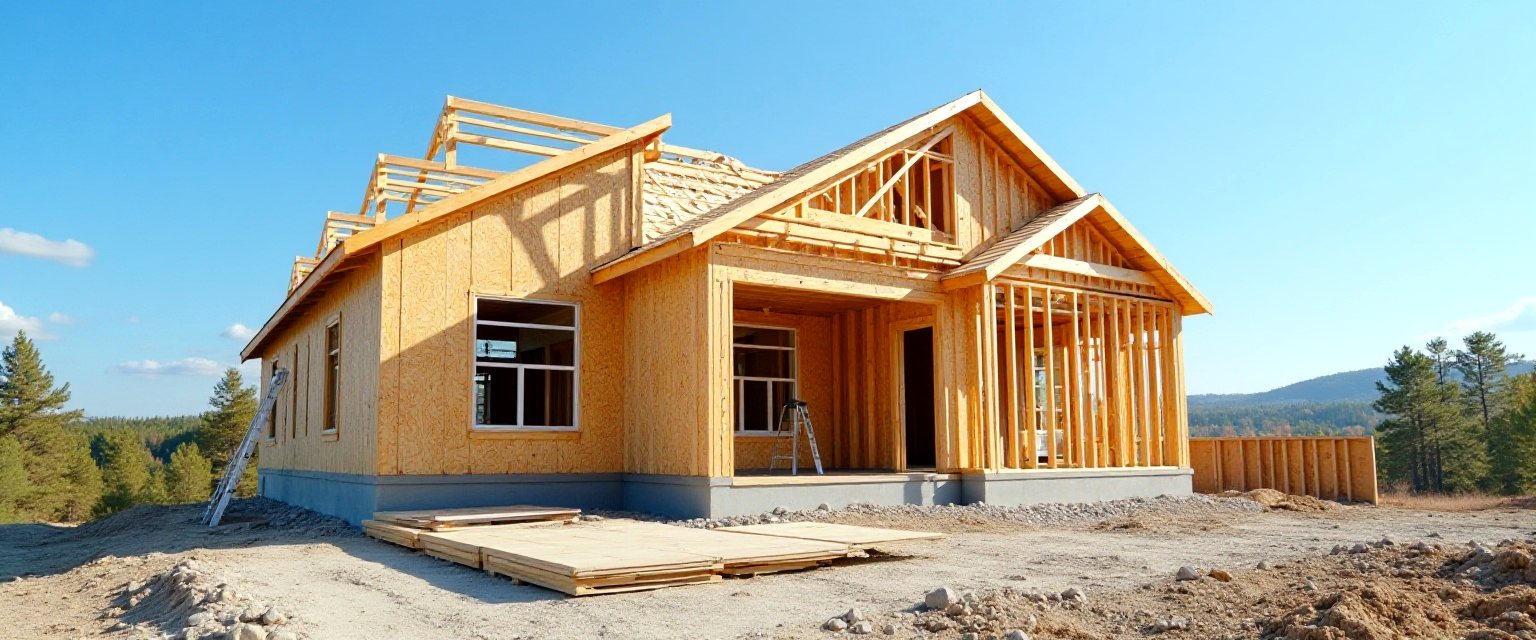
Hard money financing is short-term credit for real estate investors, lent by private companies against the property rather than the borrower's paycheck. That one-line definition is easy to find. What is harder to find is how the financing is actually put together, why the law treats it differently from a home loan, and which questions change what you pay. This page covers all three.
Hard money financing is short-term credit from a private lender, secured by investment real estate, sized mainly on what the property is worth, and meant to be paid off within months by selling or refinancing the property.
The word "financing" is doing real work there. A hard money deal is rarely one lump of cash. It is usually a purchase advance at closing, a renovation budget held back and released in stages, interest-only payments while the work happens, points paid up front, a personal guarantee behind the borrowing company, and a fixed date by which it all must be repaid. Knowing how those pieces fit is what separates a borrower who controls the cost from one who is surprised by it.
A bank mortgage is usually made to be sold to Fannie Mae or Freddie Mac, so the bank follows their rulebook and their price table. Hard money is funded by private capital: pools of investor money that the lending company raises and manages itself. It keeps its loans, or sells them to other private investors, and it writes its own rules.
That one difference explains most of what investors notice about hard money. It is faster, because nobody outside the lender has to approve the file. It is flexible about the borrower, because the property carries the risk. And it is expensive, because private capital expects a higher return and the loans are short. None of Fannie Mae's pricing tables apply, which is why conventional investment pricing and hard money pricing look so different.
Federal Regulation Z, the rule behind most home-mortgage disclosures, exempts credit made primarily for a business purpose, and it also exempts credit extended to someone other than a person, such as an LLC. Its official commentary goes further for rental property: credit to buy, improve or maintain rental property that is not owner-occupied is deemed to be for business purposes, whatever the number of units.
There is a precise test for "not owner-occupied." If the owner expects to stay in the property for more than 14 days in the coming year, it counts as owner-occupied and the rule does not apply. The commentary's own example is a beach house the owner uses for a month each summer and rents the rest of the year.
Two things follow. The federal disclosure timelines built for home buyers do not govern a business-purpose loan, which is part of why hard money can close quickly. And several consumer protections you may be used to are not there, so the documents deserve a careful reading, ideally by your own attorney. State lending and licensing laws can still apply; this is the federal picture, not the whole of it.
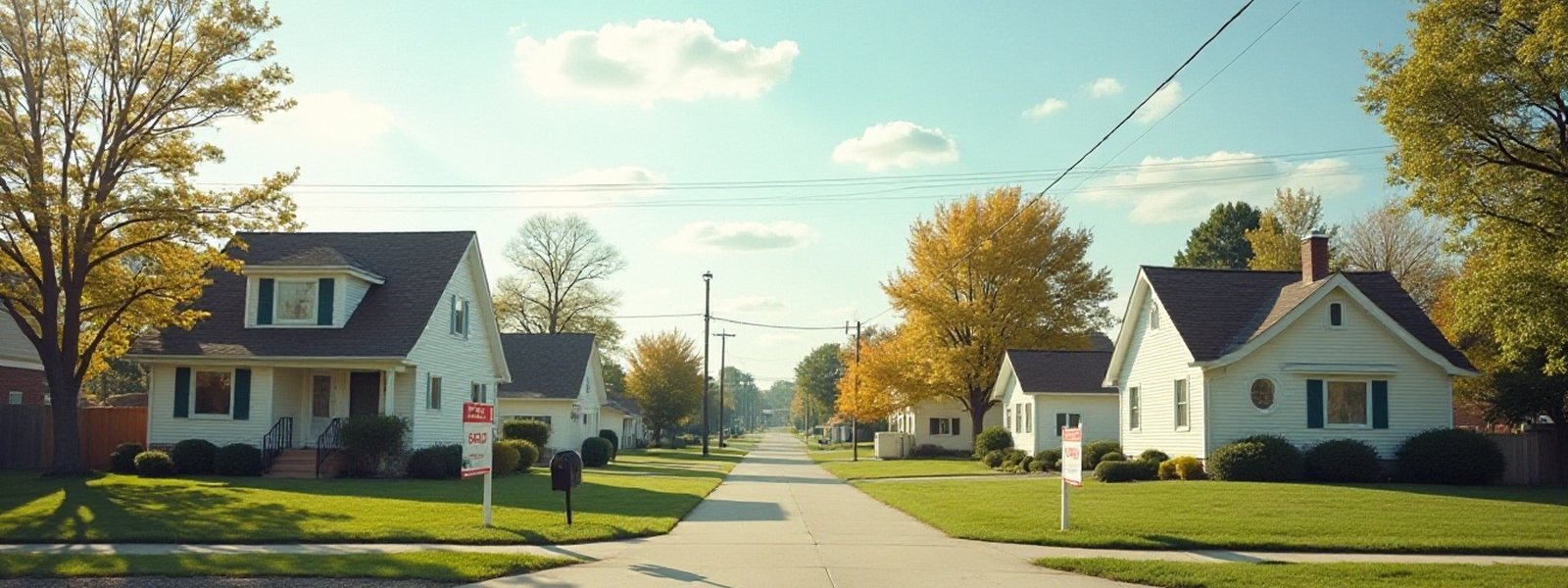
Take a borrower with a few flips behind them buying a house for $200,000, with a $60,000 renovation planned and an after-repair value of $360,000. Our lending partners' program lends up to 100 percent of cost but no more than 70 percent of after-repair value. Seventy percent of $360,000 is $252,000, just under the $260,000 total cost.
The purchase advance. If the $60,000 renovation budget is held back, $192,000 goes toward the purchase at closing and the borrower brings the other $8,000, plus closing costs.
The holdback. The $60,000 sits with the lender and is released in draws as each stage of the work is finished and inspected. The borrower usually pays for a stage first and is reimbursed, so some working cash is needed throughout.
The points. At standard pricing of 2.99 points under our lending partners' guidelines, about $7,535 at closing on the full $252,000.
The interest. Standard pricing is 12.99 percent, paid monthly, interest only. Here is the question to ask every lender: is interest charged on the whole loan from day one, or only on the money released so far? On the full $252,000 it is about $2,728 a month. On the $192,000 actually disbursed at closing it is about $2,078. That is roughly $650 a month of difference until the last draw goes out.
The guarantee. The loan is made to the borrower's LLC, and under our lending partners' guidelines every owner of 30 percent or more personally guarantees it.
The deadline. Nine months is the standard term in the guidelines, with an extension of up to three months available on request but not guaranteed.
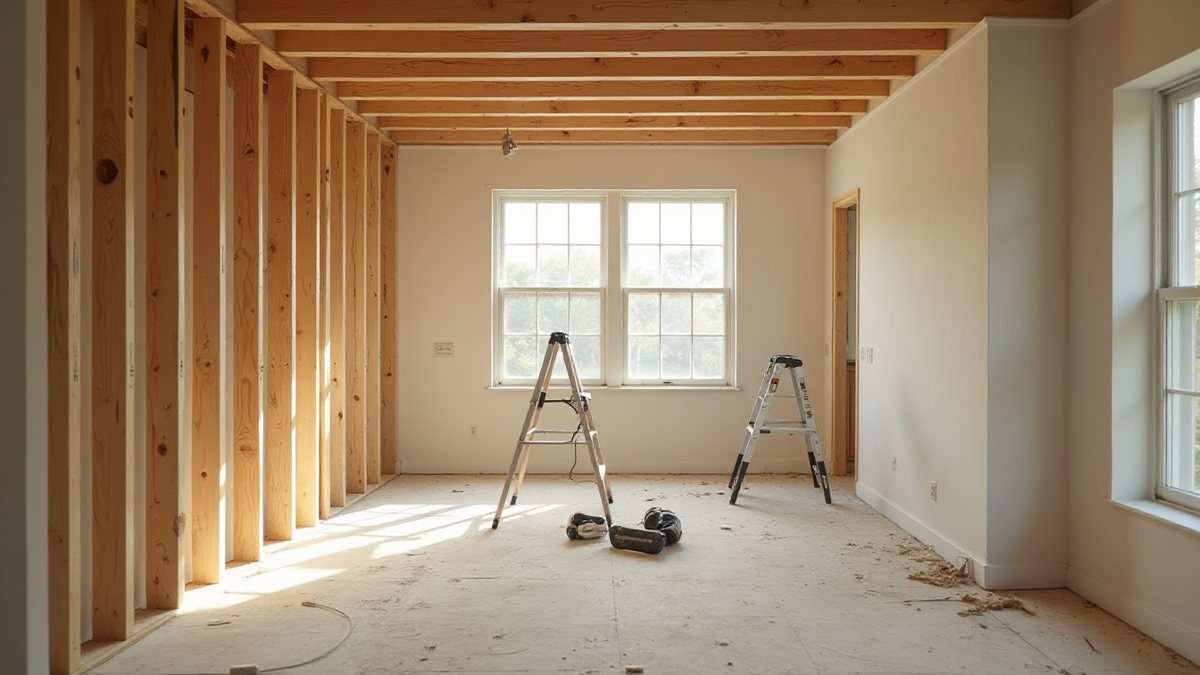
1. The deal and the application. The property, the purchase contract, the renovation budget and the exit plan. The lender screens the deal before it looks hard at the borrower.
2. The term sheet. Proposed loan amount, rate, points, term and conditions, in writing. Nothing that matters should be only verbal.
3. Valuation. An appraisal or valuation of the property as it is and as it will be after the work. The after-repair value sets how much the lender will lend.
4. Title, insurance and the entity. Clear title, a builder's risk or vacant property policy naming the lender, and the borrowing LLC's documents.
5. Closing. Through a title company or closing attorney. The purchase advance funds, and the holdback is set aside.
6. Draws. Work, inspection, release, repeated until the renovation is done.
7. The exit. The property is sold, or refinanced into a longer-term loan such as a DSCR rental loan, and the hard money loan is paid off before the term ends.
Every step before closing is a place where a deal can slow down. The ones that slow down most are the valuation and title, so order them the day you have a term sheet.
It fits a property a bank will not lend on as it stands, a purchase that has to close faster than a bank can manage, or a borrower whose income is real but hard to document. It is the wrong tool for a house you will live in, a long hold, or a deal that only works if everything goes right, because the cost of time is high and the deadline is fixed.
Our lending partners' fix and flip and bridge programs lend from $50,000, up to 100 percent of cost and 70 percent of value, with a 600 minimum credit score. The 10.99 percent starting rate is available after two loans have been paid off in good standing with our lending partner; a first-time borrower should expect to start above it and earn the way down. All lending is business-purpose, on non-owner-occupied property, and terms change, so we confirm them for your deal before you commit.
Hard money financing is short-term, business-purpose credit from a private lender, secured by investment real estate and sized mainly on the property's value rather than the borrower's income. It typically covers a purchase and often a renovation, is paid interest-only, and is meant to be repaid within months by a sale or a refinance.
Partly because the lender decides with its own money and its own rules instead of a secondary-market rulebook, and partly because loans for non-owner-occupied rental property are treated as business credit under federal Regulation Z. That exempts them from the consumer mortgage disclosure timelines that slow a home loan down.
Not from our lending partners, and not as business credit. Under Regulation Z's commentary, a rental only counts as non-owner-occupied if the owner does not expect to stay there more than 14 days in the coming year. A house you plan to live in is owner-occupied, and our lending partners do not finance it.
It is the part of a hard money loan set aside for renovation. Instead of handing it over at closing, the lender releases it in draws as work is completed and inspected. Ask whether interest is charged on the whole loan from day one or only on money actually released, because the difference can be hundreds of dollars a month.
Usually months, not years. Our lending partners' underwriting guidelines describe nine months as the standard term, with an extension of up to three more months available on request but not guaranteed, and eighteen months as the maximum including extensions. Their program page lists loans of up to twelve months.
Less than a home mortgage, but not unregulated. Business-purpose loans fall outside most federal consumer mortgage rules, while state laws on lending, licensing and interest rates can still apply. Because fewer consumer protections apply, read the note, the guaranty and the draw terms carefully before you sign.
Planning to keep the house when the work is done? Our two free landlord books show what a rental costs to hold in twelve states.
Answer these and your deal goes to our lending partner's team, who will contact you about whether it is fundable and on what terms. By sending it you agree to your details being shared with them. Investment property only — our lending partners do not finance a home you will live in.
Thank you. Your details are on their way to our lending partner's team, who will contact you shortly.
Dominion Hard Money does not lend its own funds; it arranges financing through third-party lending partners. All financing is arranged for business purposes only and secured by non-owner-occupied investment property. Not a commitment to lend. All loans subject to underwriting, property review, and approval by the lender. Terms vary by property, borrower experience, and exit strategy.
Hard money loans explained · Fix and flip loans · What hard money costs · Bridge loans · Hard money requirements