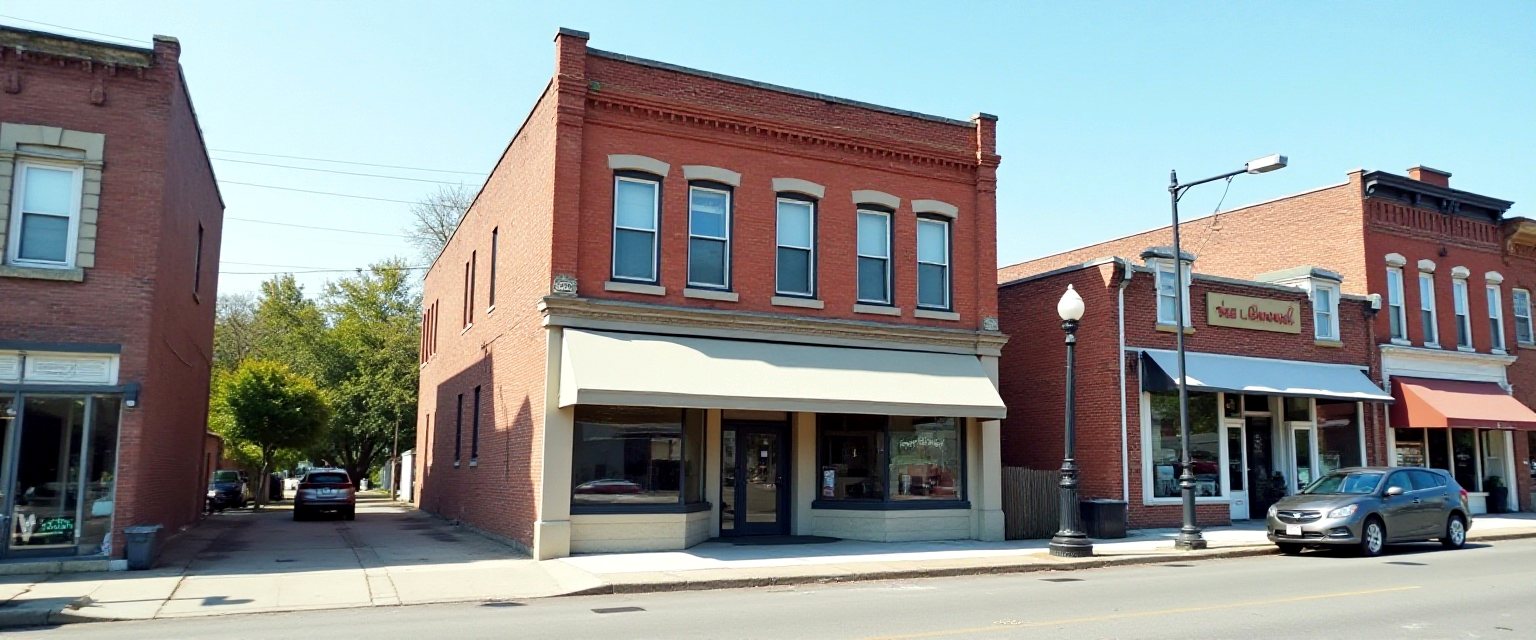
Illinois has one number that shapes more investor deals than any other, and it is not a tax rate. Our lending partner's guidelines limit fix-and-flip and bridge loans in Cook County to 50 percent of value, not the usual 70, and Cook County is Chicago. Cross into DuPage, Will or Lake and the same house qualifies for standard leverage. This page covers that line, Chicago's layered transfer taxes, the property tax a rental really pays, and how to size hard money, private money, fix and flip and DSCR loans across the state.
Our lending partner's underwriting guidelines restrict a short list of named markets to 50 percent of value for purchase-and-renovation loans, and Cook County, Illinois is on it. Almost all of Chicago sits in Cook County, along with suburbs such as Evanston, Oak Park, Cicero, Skokie, Schaumburg, Orland Park and the south suburbs.
Here is what that does to a deal. A Chicago bungalow worth $320,000 after renovation supports a loan of up to $160,000 at 50 percent. If purchase and renovation cost $240,000 together, the investor brings about $80,000, plus closing costs and reserves. The same house at 70 percent would support $224,000, and the investor would bring about $16,000. That gap is the difference between a deal an investor can do several times a year and one they can do once.
The collar counties are not on the list. In DuPage, Will, Lake, Kane, McHenry and Kendall counties, standard leverage applies: up to 70 percent of the after-repair value, subject to underwriting. Investors who want Chicago-area deals with less cash in them often work Naperville, Aurora, Joliet, Waukegan or Elgin instead of the city. Check the county of the exact address, not the mailing city, before you run the numbers.
Chicago layers its own real estate transfer tax on top of the state and county stamps. Under the city code, the buyer pays $3.75 per $500 of the price, and the seller pays a separate transit portion of $1.50 per $500. The seller also pays the smaller state and Cook County stamps. The 2024 Bring Chicago Home measure, which would have raised the rate on expensive sales, failed, so the flat rates remain.
A Chicago flip pays both sides. Buy for $240,000 and the city's buyer tax is $1,800. Sell for $320,000 and the seller's transit portion is $960, before the state and county stamps. Around $3,000 of transfer tax on one flip is normal in the city, and many suburbs levy their own municipal transfer taxes at varying rates. Get the figures from your title company or closing attorney, and put them in the budget on day one.

Illinois taxes property on a fraction of its value. Outside Cook County, property is assessed at one third of market value. Cook County uses its own classes: most residential property, including smaller rental buildings, is assessed at 10 percent, and commercial property at 25 percent, before the state equalization factor is applied. Cook County reassesses on a three-year cycle by region; the City of Chicago was last reassessed in 2024.
Local tax rates are high, and a rental does not get the homeowner exemption the seller may have claimed. Cook County also bills in two installments, and the first is generally 55 percent of the prior year's total bill, so a year of rising taxes shows up late. Budget the tax on the value after renovation, with no owner exemptions, and have your closing attorney check the proration.
Illinois REALTORS reported a Chicago metro median price of $407,000 in June 2026, up 4.6 percent on a year earlier, with inventory down 14.4 percent. Inside the city, the median was $411,000 in April 2026, with the number of homes for sale down 28.3 percent from a year earlier. Tight supply supports resale prices, but it also means purchase prices leave less room for the renovation margin.
For buy-and-hold investors in Chicago, the city's Residential Landlord and Tenant Ordinance sets strict rules on security deposits and repairs, with penalties that can reach twice the deposit. Know them before you lease.
Outside the Chicago area, Rockford, Peoria, Springfield and Champaign offer lower entry prices, but the lender's guidelines set a minimum after-repair value of $100,000 and look for properties within roughly 45 minutes to an hour of a metro area of at least 200,000 people. Some of downstate Illinois falls outside one or both.
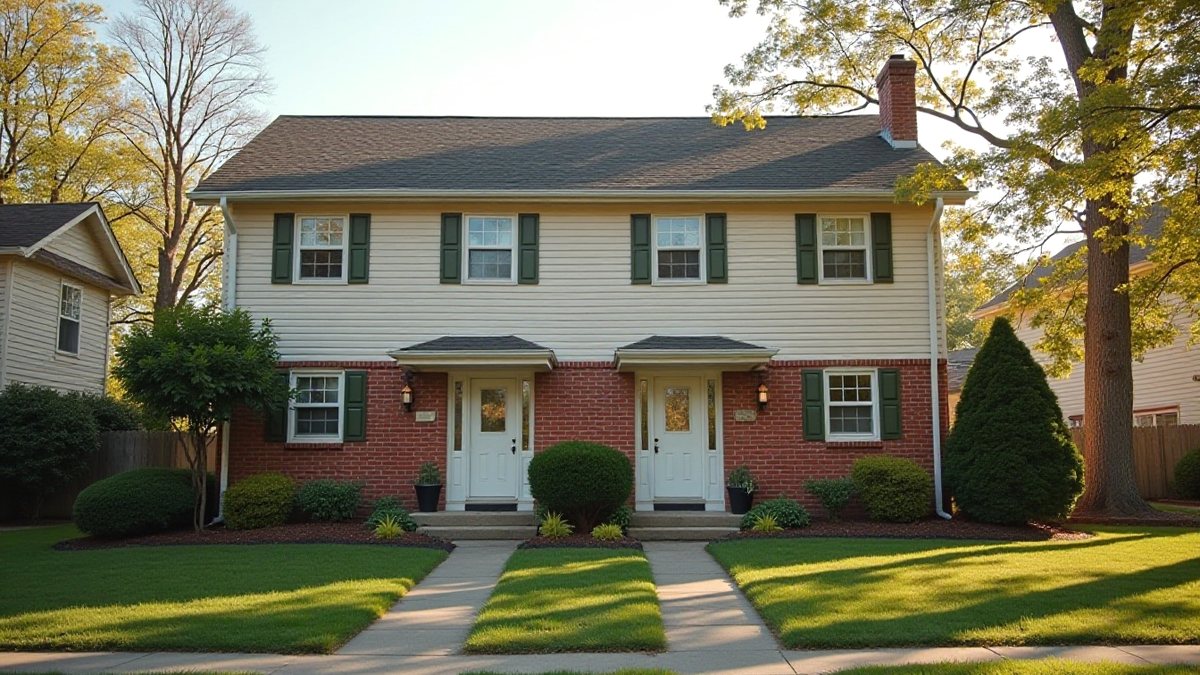
In Illinois, more investors search for a DSCR loan than for hard money itself. A DSCR loan qualifies the property, not your personal income: the rent must cover the payment, including principal, interest, taxes and insurance. That makes Chicago two-flats and suburban single-family rentals natural fits.
Our lending partners' DSCR rental program starts at rates as low as 5.99 percent, with origination points from 1.5 percent, loan amounts from $75,000 to $2 million at up to 80 percent of value, and no minimum credit score. Cross-collateral loans are allowed across two or more properties, and portfolio loans are considered case by case. Rates below the average go to the strongest files.
The 50 percent Cook County limit is written into the lender's guidelines for purchase-and-renovation loans. DSCR leverage on a Cook County rental is confirmed deal by deal, so ask before you rely on the 80 percent figure in the city. In Illinois, the property tax line usually decides whether the rent covers the payment.
Illinois is one of the states where our lending partners pay placement fees. The published fix-and-flip and bridge programs lend up to 100 percent of cost and 70 percent of the after-repair value, or 50 percent in Cook County, with a minimum loan of $50,000, a minimum credit score of 600, and loans of up to twelve months; the lender's underwriting guidelines set a nine-month standard term, with extensions considered case by case. The published starting rate is 10.99 percent plus 1.99 origination points.
The 10.99 percent starting rate is available after two loans have been paid off in good standing with our lending partner; a first-time borrower should expect to start above it and earn the way down.
Whether you search for a hard money lender, a private money lender or a fix and flip loan, these are the terms that apply. The guidelines also require an after-repair value of at least $100,000, cap the renovation budget at $40,000 for a borrower with zero or one completed project, and look for at least $15,000 in reserves. A Naperville example: a house worth $450,000 after renovation supports up to $315,000 at 70 percent. If purchase and renovation cost $330,000, the investor brings about $15,000, plus closing costs and reserves.
1. Confirm the county. Cook County means 50 percent of value; the collar counties mean standard leverage.
2. In Cook County, work out your cash before you offer. At 50 percent, the down payment is often five times what it would be in DuPage.
3. Add the transfer taxes, the city's buyer tax on the way in and the seller's taxes on the way out, plus any suburban municipal tax.
4. Budget the property tax at the value after renovation, with no homeowner exemption.
5. Check the after-repair value clears $100,000 downstate.
6. Get written contractor bids, add a ten percent contingency for old Chicago masonry and plumbing, and keep a first-time scope under $40,000.
7. For a rental in Chicago, read the landlord ordinance and confirm DSCR leverage for Cook County before you commit.
A Cook County deal sized at 70 percent. The restricted-market cap is 50 percent.
A budget with no transfer tax in it. In Chicago it is thousands of dollars on each side.
An after-repair value under $100,000.
A full gut as your first Illinois project. The $40,000 renovation cap for borrowers with zero or one completed deal rarely covers it.
A two-flat where you live in one unit. If you or a close family member will live in the property, even in one unit of a building you rent out, the lender treats it as owner-occupied, and our lending partners cannot finance it.
Published pricing starts at 10.99 percent plus 1.99 points, for borrowers with two loans already paid off in good standing; first-time borrowers should expect more. In Chicago, the transfer taxes, appraisal, title and closing costs come on top.
Yes, but fix-and-flip and bridge loans on property in Cook County are limited to 50 percent of value under the lender's guidelines. In DuPage, Will, Lake, Kane, McHenry and Kendall counties, standard leverage of up to 70 percent of the after-repair value applies.
Yes. Yes. Illinois rentals can qualify for $75,000 to $2 million at up to 80 percent of value, with pricing from 5.99 percent and no minimum credit score. Leverage on Cook County rentals is confirmed deal by deal.
Yes. A first-time borrower can qualify, but with zero or one completed project the renovation budget is capped at $40,000, and the borrower should show at least $15,000 in reserves plus the cash for the down payment and closing costs.
The two phrases mean the same thing in practice: short-term financing from a non-bank lender, secured by investment property. What changes a Chicago deal is the county, not the name of the loan; the same program terms apply to both.
Yes. Business-purpose lending on investment property is a normal part of the Chicago-area and downstate markets. The lender and anyone arranging the loan still have to comply with state and federal law, so ask for licensing details and verify them. This page is general information, not legal advice.
Want the long version? Two free landlord books cover what a rental really costs to hold and what the new federal housing law actually changed.
Answer these and we will tell you whether it is fundable, on what terms, and how fast it could close. Investment property only — our lending partners do not finance a home you will live in.
We will run the numbers and come back to you. If it is time-sensitive, call 903-636-7511.
Dominion Hard Money does not lend its own funds; it arranges financing through third-party lending partners. All financing is arranged for business purposes only and secured by non-owner-occupied investment property. Not a commitment to lend. All loans subject to underwriting, property review, and approval by the lender. Terms vary by property, borrower experience, and exit strategy.
Indiana · Missouri · DSCR loans · Fix and flip loans · Private money lenders · Loan calculator