
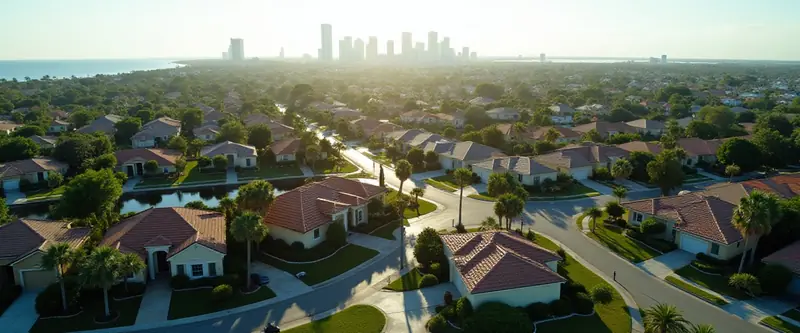
Colorado has almost no transfer tax, but hail drives insurance costs higher than in most of the country, the city requires rental licenses, and a 2024 state law limits when a tenancy can be ended. This page covers each and what it means for a flip or a rental.
The question in Denver is cost, not financing
The city and the counties around it, Arapahoe, Jefferson, Adams, Douglas and Broomfield, sit inside a metro of about three million people, and lenders are comfortable lending in Colorado. So the question in Denver is rarely whether a deal can be financed. It is whether the costs that are specific to Colorado leave enough profit.
Time is one of them. In a special analysis of first-quarter 2026 loan-level flips in six markets, ATTOM and Backflip found Denver projects took an average of about 133 days to pay off, second-longest after Austin and well behind Atlanta's roughly 90. Budget the holding costs on that kind of timeline.
Hail is the cost to price first
In most of the country, a rental's biggest surprise is taxes. In Denver it is insurance, and the reason is hail. A February 2026 analysis by Colorado's Division of Insurance, based on data from 20 insurers writing about 80 percent of the state's homeowners market, found insurers attributed about 51 percent of the average Denver homeowners premium to hail, roughly $1,550 of an estimated $3,040, and about 1 percent to wildfire.
For an investor that means two things. Get an actual insurance quote during your inspection period, not an estimate, because it can change whether a rental covers its payment on a DSCR loan. And if the renovation includes a roof, ask the carrier to quote it both ways: many Colorado insurers offer discounts for Class 3 or Class 4 impact-resistant roofing.

Working a Denver flip or rental?
Send the address, the numbers and a real insurance quote. Our lending partner's team reviews it and tells you whether it fits.
Renting in Denver: license and cause
A rental license. The City and County of Denver requires a residential rental license for long-term rentals: buildings with two or more units since January 1, 2023, and single-unit rentals since January 1, 2024. Getting the license takes an inspection by a certified inspector, licenses are renewed with a new inspection every four years, and a license does not pass to a buyer, so a new owner needs a fresh inspection and license before renting.
A reason to end a tenancy. Colorado's 2024 for-cause eviction law (HB24-1098) requires landlords to have a listed reason to evict or decline to renew most tenants who have lived in the unit for 12 months or more. No-fault reasons are limited and come with longer notice. That changes the plan for an investor who expects to buy an occupied rental, renovate and re-tenant at a higher rent. Check the current rules and your situation with a Colorado attorney first.
Unpaid rent. Colorado requires a ten-day written demand before an eviction filing, longer than many states.
A DSCR loan qualifies a Denver rental on its rent rather than your income. Our lending partners' DSCR program has no minimum credit score and lends from $75,000 to $2 million, up to 80 percent of value on a purchase or rate-and-term refinance. Use real insurance and tax figures in the payment.
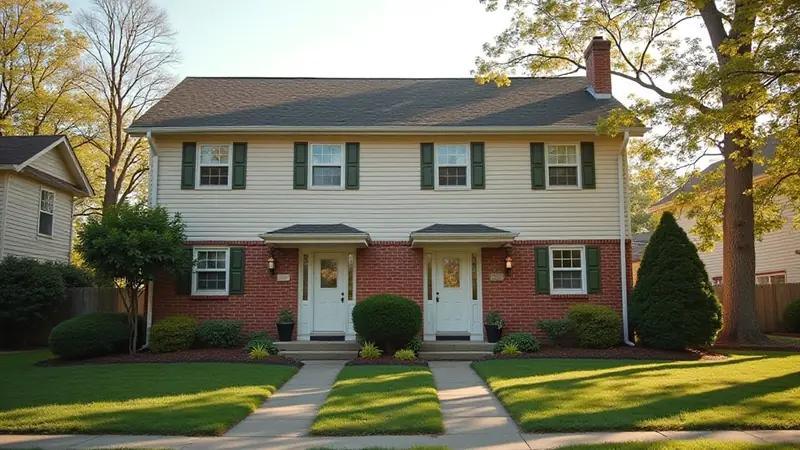
Colorado's smaller costs
No real transfer tax in Denver. Colorado charges a state documentary fee of one cent per $100 of value, $30 on a $300,000 sale. Some resort towns add their own real estate transfer taxes, but the City and County of Denver does not.
Foreclosure through the public trustee. Colorado forecloses through each county's public trustee rather than a full court case, which keeps lenders comfortable in the state.
Our lending partners' terms in Denver
Fix and flip, bridge and short-term construction loans: from $50,000, up to 100 percent of cost but no more than 70 percent of after-repair value, whichever limit is reached first, with a 600 minimum credit score. Standard pricing starts at 12.99 percent plus 2.99 points. Borrowers who have paid off two loans with the lending partner in good standing can qualify for loyalty pricing of 10.99 percent plus 1.99 points.
Leverage depends on the experience you can document over the past three years. Loans are for non-owner-occupied investment property held in an entity such as an LLC or corporation. The lender decides the final terms for your property, so confirm them before you commit.
Holding a Denver rental? Our two free landlord books compare what a rental costs to carry across twelve states, including Colorado.
Send it through the form above and our lending partner's team will tell you which program fits.
Related guides
Colorado · Wyoming · DSCR rental loans · Construction loans · Fix and flip loans
Get your deal reviewed
Answer these and your deal goes to our lending partner's team, who will contact you about whether it is fundable and on what terms. By sending it you agree to your details being shared with them. Investment property only: our lending partners do not finance a home you will live in.
Got it.
Thank you. Your details are on their way to our lending partner's team, who will contact you shortly.
Denver hard money questions
Do I need a rental license for a Denver investment property?
Yes. Denver requires a residential rental license for long-term rentals, including single-unit homes since January 2024. You need an inspection by a certified inspector to get it, it renews every four years, and a license does not transfer when you buy, so plan a new inspection after closing.
Why is homeowners insurance so expensive on a Denver rental?
Hail. The Colorado Division of Insurance's February 2026 analysis found insurers attributed about 51 percent of the average Denver premium to hail. Get a real quote during your inspection period and ask about discounts for impact-resistant roofing.
Can I evict a tenant in Colorado to renovate and re-rent?
Often not without cause. Colorado's 2024 for-cause law requires a listed reason to evict or decline to renew most tenants who have lived in the unit for 12 months or more, and no-fault reasons are limited. Talk to a Colorado attorney before you buy an occupied rental with that plan.
How long does a Denver flip usually take?
In ATTOM and Backflip's first-quarter 2026 analysis, Denver flips averaged about 133 days to payoff. Budget interest, insurance and taxes for at least that long, and longer if permits or a roof replacement are involved.
What does a Denver fix and flip loan cost?
Our lending partners' standard pricing starts at 12.99 percent plus 2.99 points, from $50,000, up to 70 percent of after-repair value and 100 percent of cost. After two loans paid off in good standing, loyalty pricing of 10.99 percent plus 1.99 points can apply. The lender sets the final terms.
Is there a transfer tax when I sell a house in Denver?
Only Colorado's small state documentary fee, one cent per $100 of value, when the deed is recorded. Some mountain towns add their own real estate transfer taxes, but the City and County of Denver does not.
Sources
- Colorado Public Radio, Hail, not wildfire, driving largest increase in Colorado's homeowners insurance premiums (Feb 2026), Division of Insurance analysis: 50.9 percent of Denver premium attributed to hail, about 1 percent to wildfire (accessed Oct 2026)
- Denver Gazette, Hail drives up to 54 percent of homeowners insurance premiums in parts of Colorado (Feb 2026), $3,040 average Denver premium and 20 insurers covering about 80 percent of the market (accessed Oct 2026)
- City and County of Denver, Business Licensing, residential rental licenses, license requirement and deadlines (accessed Oct 2026)
- Colorado Sun, Colorado for-cause eviction law (April 2024), HB24-1098 12-month threshold and listed causes (accessed Oct 2026)
- Colorado Lawyer, Significant changes to landlord-tenant law in 2024, HB24-1098 exemptions and no-fault notice (accessed Oct 2026)
- ATTOM and Backflip, Special Analysis of Q1 2026 fix-and-flip returns, Denver 133-day average payoff (accessed Oct 2026)
Dominion Hard Money does not lend its own funds; it arranges financing through third-party lending partners. All financing is arranged for business purposes only and secured by non-owner-occupied investment property. Not a commitment to lend. All loans subject to underwriting, property review, and approval by the lender. Terms vary by property, borrower experience, and exit strategy.