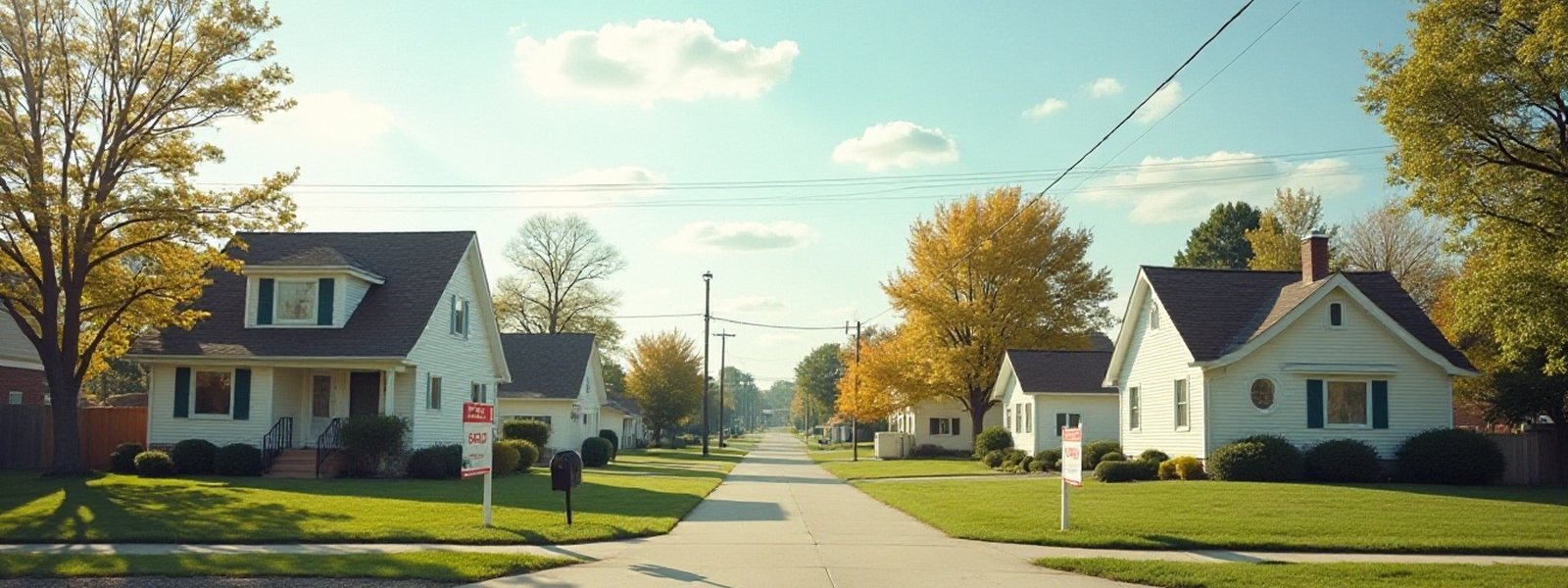
West Virginia offers some of the lowest purchase prices in the country, and in its growing Eastern Panhandle, real demand. But lenders' location rules leave much of the state out, a $100,000 minimum finished value excludes more houses here than elsewhere, and the state's landlord statutes are thin. This page covers what that means for a flip or a rental, and our lending partners' terms.
Our lending partners' underwriting guidelines look for property within about 45 to 60 minutes of a metro area of 200,000 people or more. West Virginia has fewer of those than most states, and its mountains make an hour's drive shorter on the map than it sounds, so the financeable areas are specific.
Charleston and the Kanawha Valley, with South Charleston, St. Albans and Nitro.
Huntington, part of a metro that crosses into Kentucky and Ohio.
The Eastern Panhandle: Martinsburg and Berkeley County, part of the Hagerstown-Martinsburg metro, and Charles Town and Jefferson County, which sit within the Washington, DC metro. This is the state's fastest-growing corner.
At the edge: Wheeling and Morgantown both sit roughly an hour or more from Pittsburgh. Check each address.
Generally outside: Parkersburg, Beckley, Bluefield, Elkins and much of the central and southern coalfields.
Our lending partners require an after-repair value of at least $100,000. In many states that excludes only a few of the cheapest streets. In West Virginia, with some of the lowest home values in the country, it rules out a real share of the housing stock, even inside the qualifying metros.
So start with the finished value, not the purchase price. Pull recent sales of fully renovated homes on the same street or in the same subdivision. If the best of them sold for under $100,000, the deal will not qualify no matter how cheaply you can buy. The Eastern Panhandle, the better neighborhoods of Charleston and Huntington, and Morgantown generally clear the bar more easily than older mill and mining towns.
The lot rule applies too: two acres or less, which excludes many rural parcels.
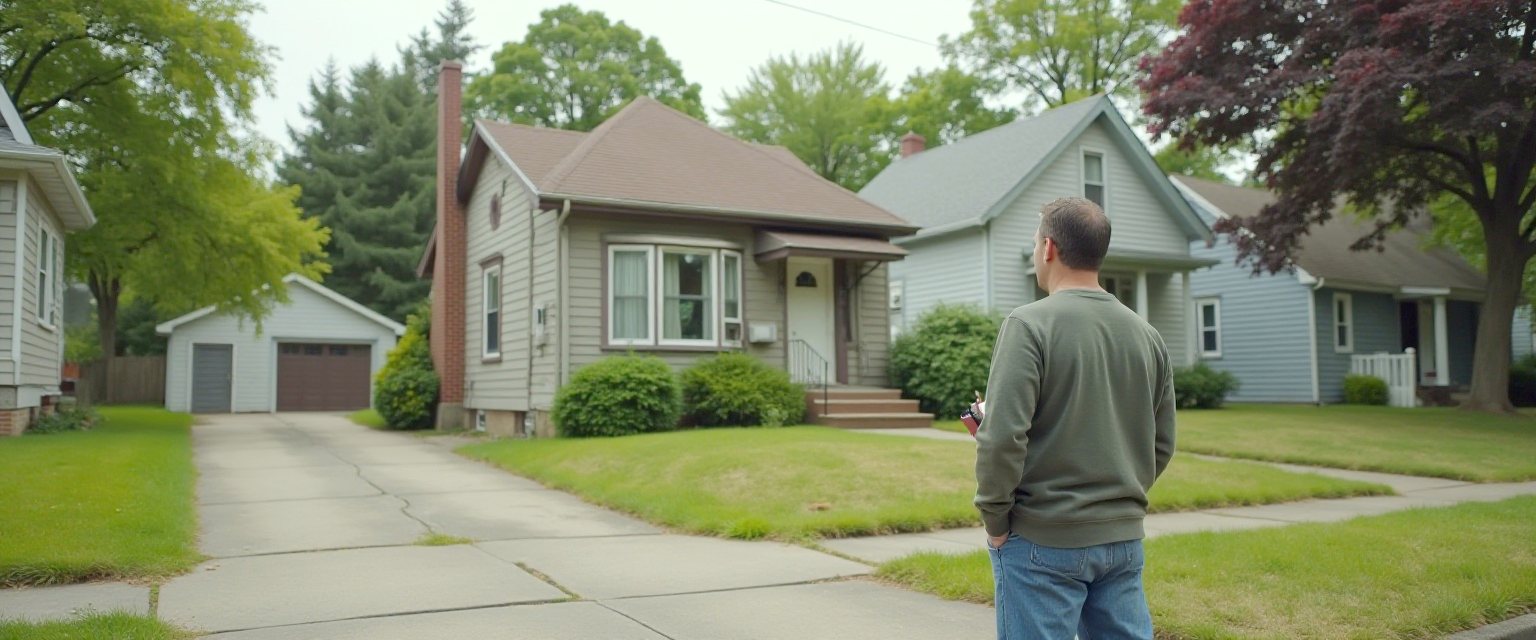
West Virginia never adopted the Uniform Residential Landlord and Tenant Act that many states use. Its rules come from a few separate statutes, which means the lease itself carries more weight here than almost anywhere.
Security deposits: the state does not cap the amount. The deposit, or an itemized statement of deductions, must go back within the shorter of 60 days after the tenancy ends or 45 days after a new tenant moves in. Landlords must keep records of each deposit, and a bad-faith failure to return one can cost more than the deposit itself.
Leases: spell out rent due dates, late fees, notice periods, entry and repair duties in writing. Where the statutes are silent, a clear lease is what a magistrate will read.
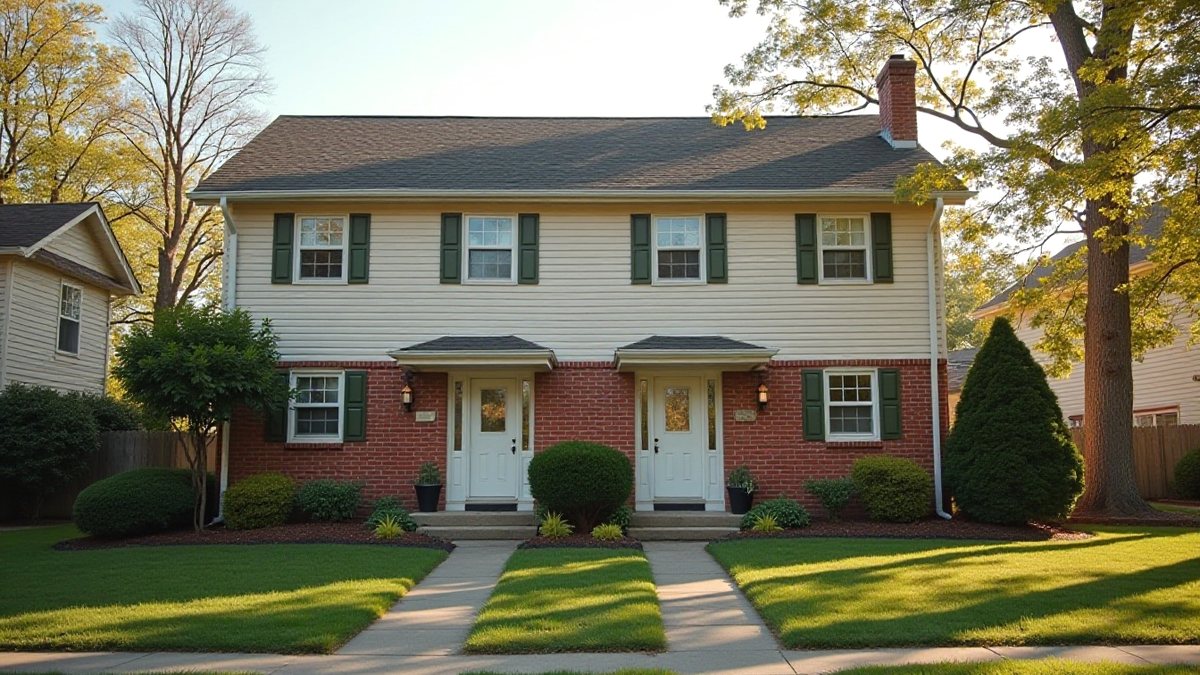
Transfer tax. West Virginia charges a state and county excise tax when a deed is recorded. It is modest by East Coast standards, but check the exact amount with the county clerk for the property's county and put it in your numbers.
Property tax. West Virginia property taxes are low by national standards, and set by class and levy rate. Non-owner-occupied residential property is taxed at a higher class rate than an owner's home, so a rental's bill can be higher than the previous owner-occupant paid. Check with the county assessor.
Foreclosure. West Virginia generally forecloses through a trustee sale under a deed of trust, outside court, a faster process that lenders are comfortable with.
No West Virginia county is on the list where our lending partners cap leverage at 50 percent, so standard terms apply wherever the location and value tests are met.
Fix and flip and bridge loans: from $50,000, up to 100 percent of cost but no more than 70 percent of after-repair value, with a 600 minimum credit score. Standard pricing under the underwriting guidelines is 12.99 percent and 2.99 points. The 10.99 percent starting rate is available after two loans have been paid off in good standing with our lending partner; a first-time borrower should expect to start above it and earn the way down.
DSCR rental loans: $75,000 to $2 million at up to 80 percent of value, qualified on the rent, with rates from 5.99 percent on the program page.
Construction loans: $100,000 to $3 million on non-owner-occupied single-family homes, from 8.5 percent.
Loans close in an entity such as an LLC, and every owner of 30 percent or more personally guarantees the loan. Terms change, so we confirm them for your property before you commit.
Yes. West Virginia is one of the states our lending partners finance in. The property must be non-owner-occupied, have an after-repair value of at least $100,000, and sit within roughly 45 to 60 minutes of a metro area of 200,000 people or more, which covers the Charleston and Huntington areas and the Eastern Panhandle.
Check the exact address. Both cities have metros smaller than 200,000 people and sit roughly an hour or more from Pittsburgh, at the edge of our lending partners' location guideline. Properties closer to Pittsburgh are the likelier fit.
No. West Virginia never adopted it. Landlord-tenant rules come from a handful of separate statutes, including a short security deposit law, plus the lease itself, so a well-written lease matters more here than in many states.
Within the shorter of 60 days after the tenancy ends or 45 days after a new tenant moves in, with an itemized statement of any deductions. West Virginia does not cap the size of a security deposit.
It can be. Many West Virginia neighborhoods have finished home values below $100,000, and our lending partners require an after-repair value of at least that much. Check recent sales of finished homes on the same street before you plan a flip.
West Virginia generally forecloses outside court through a trustee sale under a deed of trust, a faster process than judicial foreclosure.
Holding a West Virginia rental? Our two free landlord books compare what a rental costs to carry across the states.
Answer these and your deal goes to our lending partner's team, who will contact you about whether it is fundable and on what terms. By sending it you agree to your details being shared with them. Investment property only — our lending partners do not finance a home you will live in.
Thank you. Your details are on their way to our lending partner's team, who will contact you shortly.
Dominion Hard Money does not lend its own funds; it arranges financing through third-party lending partners. All financing is arranged for business purposes only and secured by non-owner-occupied investment property. Not a commitment to lend. All loans subject to underwriting, property review, and approval by the lender. Terms vary by property, borrower experience, and exit strategy.
Virginia · Pennsylvania · Ohio · Kentucky · All states