
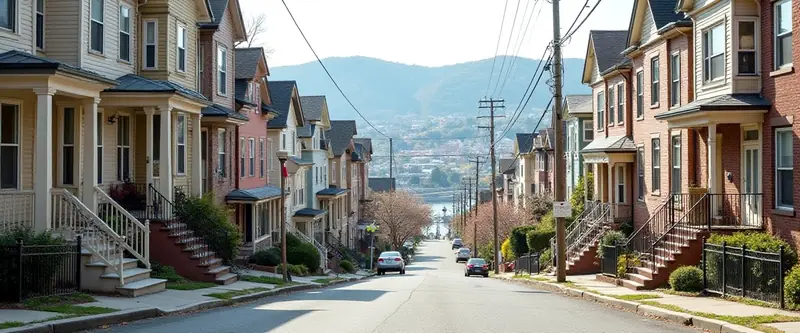
Here is how the realty transfer tax, the common level ratio, Pittsburgh's 2026 tax increase and Philadelphia's lead rules change the numbers, and how our lending partners size a loan.
A Pennsylvania flip pays transfer tax on the way in and the way out
Pennsylvania charges a 1 percent state realty transfer tax on most deed transfers, and local governments add their own. In Philadelphia the combined rate is 4.578 percent (3.578 percent city plus 1 percent state) since July 2025. In Pittsburgh it is 5 percent: 1 percent state, 3 percent city and 1 percent school district. Most other municipalities sit nearer 2 percent combined.
By custom the tax is split between buyer and seller, although the contract decides. On a flip you are the buyer and then the seller, so you usually pay a share twice. Take a Pittsburgh house bought for $150,000 and sold for $260,000 with the tax split evenly: about $3,750 at purchase and $6,500 at sale, roughly $10,250 before commissions and interest. In Philadelphia the same pair of transactions costs a little less, but not by much. Put both halves in the first draft of the numbers.
The cheaper city carries the heavier tax bill
Philadelphia assesses at market value and taxes it at 1.3998 percent (city plus school district), a rate unchanged since 2016. Pittsburgh owners pay county, city and school district millage on top of an assessment that still runs off Allegheny County's 2012 base year. For 2026, City Council raised the city's own millage from 8.06 to 9.67 mills, a 20 percent increase, to close a budget gap. Any Pittsburgh pro forma built on a 2025 tax bill is understating the hold.
Underneath both cities sits the mechanism investors rarely quote: the common level ratio. Pennsylvania has no statewide reassessment cycle, so the State Tax Equalization Board certifies a ratio for each county each year to bridge old assessments to current market value, and that ratio is used in assessment appeals. Allegheny County's ratio for the 2027 tax year is 49.3 percent, applied in appeals from the 2026 filing season. A house worth $300,000 should be assessed near $148,000; if it is assessed well above that, the ratio is your argument.
It cuts the other way too. Pennsylvania school districts can and do file appeals after a sale, and your own purchase price becomes their evidence. Underwrite the assessment you could be appealed into, not the one on the seller's bill.

Have a deal on the table?
Send the address, the numbers and your exit. Our lending partner's team reviews it and tells you whether it fits and on what terms. The lender makes every credit decision.
Philadelphia and Pittsburgh, side by side
Redfin's figures, compiled by Stacker, put Philadelphia's median sale price at about $284,000 in the first quarter of 2026, up about 4 percent on a year earlier, and Pittsburgh's at about $257,000 for the first half of 2026, up about 5 percent. The prices are closer than most investors assume. The difference is in the costs of holding and in the rules.
Pittsburgh: the yield market, with a tax caveat
Much of Pittsburgh's housing predates 1950, new construction is limited, and a large university and hospital economy (Pitt, Carnegie Mellon and UPMC) keeps rental demand steady. The higher-yield neighborhoods trade at lower prices with more management; the premium neighborhoods near the universities trade at higher prices with lower turnover. Whichever you buy, model the 2026 millage, the 5 percent transfer tax and the appeal risk.
Philadelphia: deeper tenant pool, more compliance
Philadelphia's rental market is larger and more liquid on the exit, and it regulates rentals more closely than anywhere else in the state. Every landlord needs a rental license, and since the city's lead law was extended in 2020, every pre-1978 rental needs a lead-safe or lead-free certification, based on an inspection within the previous 24 months, before signing or renewing a lease. A landlord who has not complied cannot collect rent or evict for rent owed during the period of noncompliance. Price the inspection and any remediation into the rehab.
Allentown, Harrisburg, Erie, Scranton, Reading and Lancaster all have active investor markets with lower prices. Transfer tax rates, rental licensing and inspection rules are set municipality by municipality, so confirm what applies at the specific address.
Landlord rules and foreclosure in Pennsylvania
Notices. For unpaid rent, a Pennsylvania landlord gives a 10-day notice to quit before filing with the magisterial district judge (Philadelphia uses its Municipal Court). Other lease breaches generally require 15 days for a lease of a year or less and 30 days for a longer one, unless the tenant has waived notice in the lease.
Security deposits. Up to two months' rent in the first year of a lease and one month after that, returned within 30 days of the end of the tenancy with an itemized list of deductions.
Foreclosure is judicial. A Pennsylvania lender sues, gets a judgment and sells at sheriff's sale, and there is no right to redeem after the sale. That makes sheriff's sales a real source of investor inventory, but the sale terms are strict, so arrange financing well before the sale date.
How our lending partners size a Pennsylvania loan
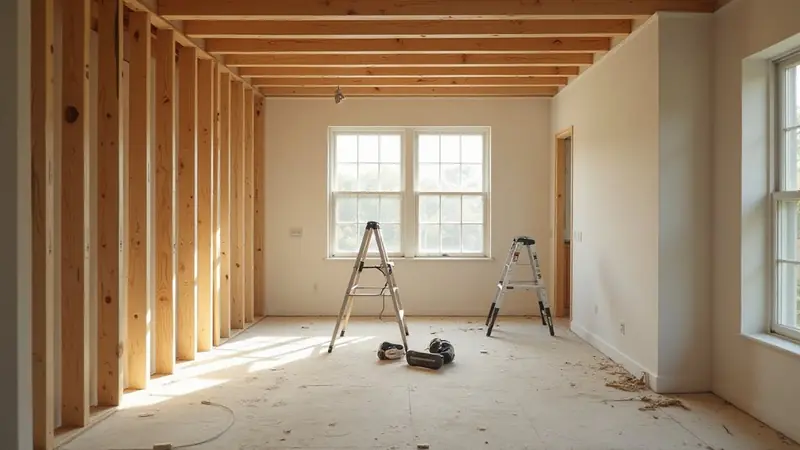
For fix and flip, rehab and bridge loans, standard pricing starts at 12.99 percent plus 2.99 points. After two loans paid off in good standing with the lending partner, borrowers can qualify for loyalty pricing of 10.99 percent plus 1.99 points. The minimum loan is $50,000 and the minimum credit score 600. Leverage runs up to 100 percent of cost and up to 70 percent of after-repair value, whichever limit binds first, and depends on the experience you can document over the past three years. The property must be non-owner-occupied investment property held in an LLC or corporation.
A Pittsburgh example: a rowhouse worth $260,000 after renovation supports up to $182,000 at 70 percent of value. If purchase and rehab together cost $195,000, the investor brings about $13,000 plus closing costs, the purchase-side transfer tax and reserves for the months of carry.
For a hold, the DSCR rental program qualifies on the rent, not your income: from $75,000 to $2 million, up to 80 percent of value on a purchase or rate-and-term refinance, with no minimum credit score. In Pittsburgh, run the coverage ratio at the 2026 millage; in Philadelphia, include the lead certification and rental license in your make-ready costs. The lender decides the final terms on every loan.
What gets a Pennsylvania deal declined
A Pittsburgh pro forma using 2025 taxes. The 20 percent city increase is in effect.
A flip budget with one transfer tax in it. You usually pay a share at purchase and again at sale.
A rehab budget with no contingency on pre-1950 stock. The age of the buildings is the reason for the yield and the reason for the surprises.
A Philadelphia rental with no lead certification. Without it, rent collection and eviction for back rent are at risk.
A home you plan to live in. Our lending partners make business-purpose loans on investment property only.
City guides: hard money in Philadelphia · hard money in Pittsburgh.
Pennsylvania never reassesses statewide, so the common level ratio decides what you are actually taxed on. See what a $400,000 rental costs to hold in Pennsylvania, next to eleven other states.
Send it through the form above and our lending partner's team will review your deal.
Keep reading
Ohio · Maryland · DSCR loans · Loan calculator · What lenders require
Get your deal reviewed
Answer these and your deal goes to our lending partner's team, who will contact you about whether it is fundable and on what terms. By sending it you agree to your details being shared with them. Investment property only: our lending partners do not finance a home you will live in.
Got it.
Thank you. Your details are on their way to our lending partner's team, who will contact you shortly.
Questions investors ask
How much is the transfer tax on a Pittsburgh or Philadelphia flip?
Pittsburgh's combined realty transfer tax is 5 percent and Philadelphia's is 4.578 percent. It is customarily split between buyer and seller, so on a flip you usually pay a share when you buy and again when you sell.
Did Pittsburgh raise property taxes for 2026?
Yes. City Council raised the city millage from 8.06 to 9.67 mills for 2026, a 20 percent increase. County and school district millage are separate. Use the current figure when you model a rental.
What is the common level ratio and why does it matter to investors?
It is the ratio Pennsylvania uses in assessment appeals to convert current market value into an assessed value. Allegheny County's ratio for the 2027 tax year is 49.3 percent. It helps you appeal an over-assessment, and school districts can use your purchase price to appeal an under-assessment.
Do I need a lead certificate to rent in Philadelphia?
Yes, for rentals built before 1978. Philadelphia requires a lead-safe or lead-free certification based on an inspection within 24 months before a lease is signed or renewed, plus a rental license.
Can I get a hard money loan anywhere in Pennsylvania?
Our lending partners review non-owner-occupied investment property across the state, including Philadelphia, Pittsburgh, Allentown, Harrisburg, Erie, Scranton, Reading and Lancaster. The lender decides each deal on its numbers.
Does the 2026 tax increase change what I can borrow?
On a DSCR rental loan it can, because taxes sit inside the payment the rent has to cover. Fix and flip sizing runs off cost and after-repair value instead, but the higher tax still adds to your carrying costs.
Sources
- City of Philadelphia, realty transfer tax rate of 4.578 percent from July 1, 2025, Philadelphia transfer tax (accessed Oct 2026)
- HomeLight, Pittsburgh transfer tax guide, 5 percent combined state, city and school district rate (accessed Oct 2026)
- Allegheny County, realty transfer tax rates by municipality, local rates outside Pittsburgh (accessed Oct 2026)
- City of Philadelphia, real estate tax, 1.3998 percent rate (accessed Oct 2026)
- WESA, Pittsburgh City Council 20 percent property tax increase, city millage from 8.06 to 9.67 for 2026 (accessed Oct 2026)
- Tucker Arensberg, lower 2026 ratio, Allegheny County common level ratio of 49.3 percent for tax year 2027 (accessed Oct 2026)
- Stacker with Redfin data, Philadelphia house prices 2026, first-quarter median sale price (accessed Oct 2026)
- Stacker with Redfin data, Pittsburgh mid-year housing review, first-half 2026 median sale price (accessed Oct 2026)
- Klehr Harrison, new requirements for Philadelphia landlords relating to lead paint, lead-safe certification and 24-month inspection (accessed Oct 2026)
- Nolo, how evictions work in Pennsylvania, 10-day notice for unpaid rent (accessed Oct 2026)
- TurboTenant, Pennsylvania security deposit law, two-month first-year cap and 30-day return (accessed Oct 2026)
- Nolo, Pennsylvania foreclosure laws and procedures, judicial foreclosure and no post-sale redemption (accessed Oct 2026)
Dominion Hard Money does not lend its own funds; it arranges financing through third-party lending partners. All financing is arranged for business purposes only and secured by non-owner-occupied investment property. Not a commitment to lend. All loans subject to underwriting, property review, and approval by the lender. Terms vary by property, borrower experience, and exit strategy.