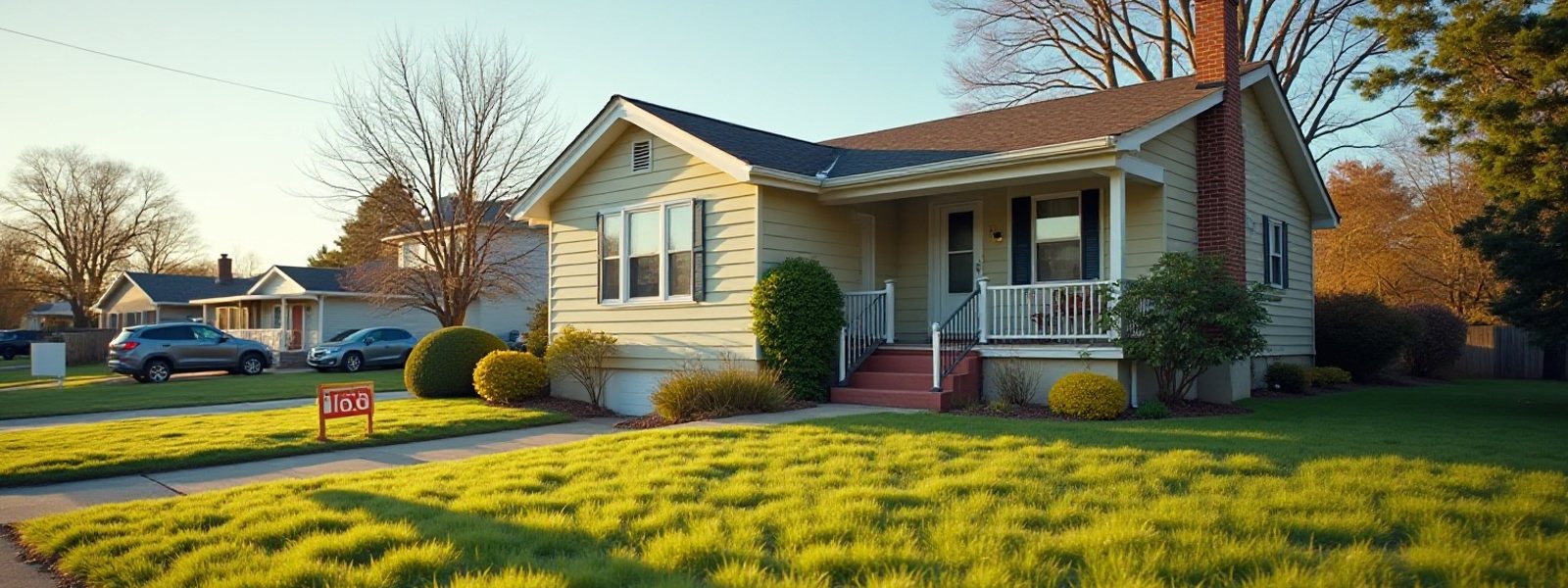
Qualified on what the property earns, not on your tax returns. No W-2s, no pay stubs, no debt-to-income calculation — just whether the rent covers the payment. Dominion Hard Money is a private money brokerage; we place your deal with the lender whose terms fit it.
You find a rental that works. The rent covers the payment with room to spare, the numbers are obvious on a napkin, and then your accountant reminds you that last year's write-offs make you look broke on paper. A conventional lender reads those tax returns and declines you — not because the deal is bad, but because good tax planning and mortgage underwriting want opposite things from the same document.
A DSCR loan removes the tax returns from the file entirely. No W-2s, no pay stubs, no employer verification, no personal debt-to-income calculation. The lender asks one question instead: does this property's rent cover its own payment?
That single change is why DSCR has become the default way investors scale past their first two or three properties. It is also why the term gets searched more than every other kind of investor financing put together.
DSCR stands for debt service coverage ratio. Divide the property's monthly rent by its total monthly payment — principal, interest, taxes, insurance and any HOA, together called PITIA. That is the whole calculation.
| Purchase price | $400,000 |
| Down payment at 25% | $100,000 |
| Loan amount | $300,000 |
| Principal & interest, 30-year at 7% | $1,996 |
| Property taxes | $350 |
| Insurance | $125 |
| HOA | $0 |
| Total PITIA | $2,471 |
| Market rent | $3,100 |
| DSCR — $3,100 ÷ $2,471 | 1.25 |
A 1.25 means the property earns 25% more than it needs to cover the loan. That is comfortably in the range where the best pricing lives.
1.00 is break-even — the rent exactly covers the payment. Most programs treat that as the floor. 1.25 and above unlocks the lowest rates and the highest leverage. Below 1.00 is not automatically dead: some lenders run no-ratio programs that fund a shortfall in exchange for a larger down payment and stronger reserves.
Requirements move between lenders and they trade against each other, so read this as a system rather than a checklist. Strength in one area buys flexibility in another — a marginal ratio with a big down payment closes, while a perfect ratio with no reserves stalls in underwriting.
| What | Typical | What it does to your deal |
|---|---|---|
| DSCR ratio | 1.00 min 1.25 ideal | Below 1.00 needs a no-ratio program, more down and more reserves. Above 1.25 gets you the sharpest pricing. |
| Credit score | 620–660 min | Score drives pricing far more than eligibility. 700+ unlocks smaller down payments and better rates. |
| Down payment | 20–25% | The single most useful lever you have. Adding 5% can rescue a marginal ratio, improve the rate, or both. |
| Property type | 1–4 units | Single family, duplex through fourplex, condos including non-warrantable, and short-term rentals. Not owner-occupied. |
| Ownership | LLC or trust | You can and generally should close in an entity. This is a business-purpose loan. |
| Documents | Lease or Form 1007 | A signed lease, or a market rent appraisal if it is vacant. No tax returns, W-2s or pay stubs. |
Two structural limits worth knowing before you go under contract. Two to four unit properties and condos usually cap at 75% LTV on a purchase regardless of your ratio or your credit — so a 25% down payment, not 20%. And cash-out refinances cap lower than purchases, commonly at 75%, dropping to 70% in some rural or restricted areas.
DSCR rates run roughly half a point to a point and a half above a conventional investment mortgage. That premium is what you pay for the tax returns staying out of the file.
Buying the rate down is worth pricing properly rather than dismissing. On a typical file the difference between no points and a bought-down rate can be a couple of hundred dollars a month, which changes the cash flow on the property for as long as you hold it.
Worth being straight about, because using the wrong product wastes weeks.
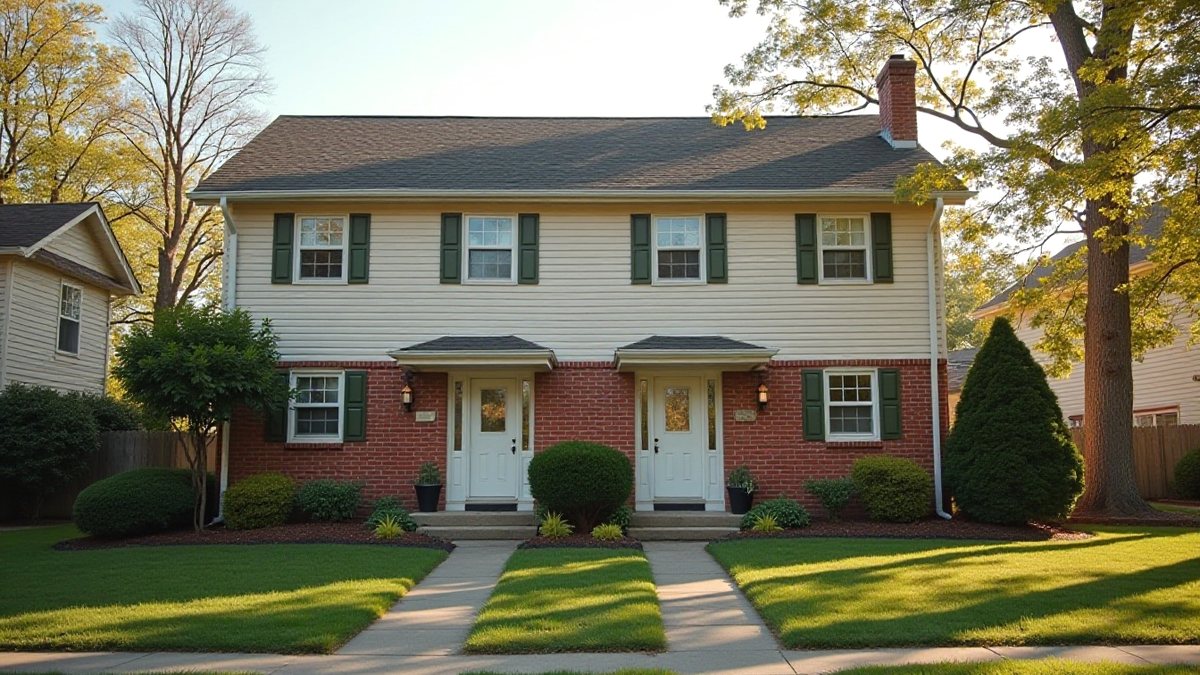
Airbnb and short-term rental properties are financeable on DSCR, and the underwriting differs in one important way: there is no lease to hand over. Income is established instead from short-term rental market data or from a comparable schedule prepared by the appraiser.
That makes the number less predictable than a signed twelve-month lease, so build in more margin than you think you need. A property that pencils at exactly 1.00 on optimistic occupancy is the one that comes back short.
A mortgage for a rental property that is approved on the property's rent rather than on your income. The lender divides the monthly rent by the monthly payment including taxes, insurance and HOA. If the rent covers the payment, the deal works.
Most programs want 1.00 as a floor and reserve the best pricing for 1.25 and above. Below 1.00 is still fundable through no-ratio programs, but expect a larger down payment and stronger reserves.
Minimums commonly sit between 620 and 660. Our lending partners have no minimum FICO on their DSCR product. Either way your score affects pricing and leverage far more than it affects whether you are approved at all.
Usually 20% to 25%. Two-to-four-unit properties and condos generally cap at 75% LTV on a purchase, meaning 25% down whatever your ratio looks like.
No. That is the entire point of the product. You need a signed lease, or a market rent appraisal if the property is vacant.
Yes, and you generally should. These are business-purpose loans and closing in an entity is normal rather than exceptional.
Not in one loan. Use a bridge or fix-and-flip loan for the purchase and rehab, then refinance into DSCR once the property is finished and leased. Plan both halves before you start the first one.
Yes, typically by about half a point to a point and a half. Most investors accept that because the loan lets them qualify and keep scaling in a way a conventional mortgage will not.
Answer these and we will tell you whether it is fundable, on what terms, and how fast it could close. Investment property only — we do not lend on a home you will live in.
We will run the numbers and come back to you. If it is time-sensitive, call 903-636-7511.
Dominion Hard Money arranges private and asset-based real estate financing for business purposes only. Not a commitment to lend. All loans subject to underwriting, property review, and approval. Terms vary by property, borrower experience, and exit strategy.