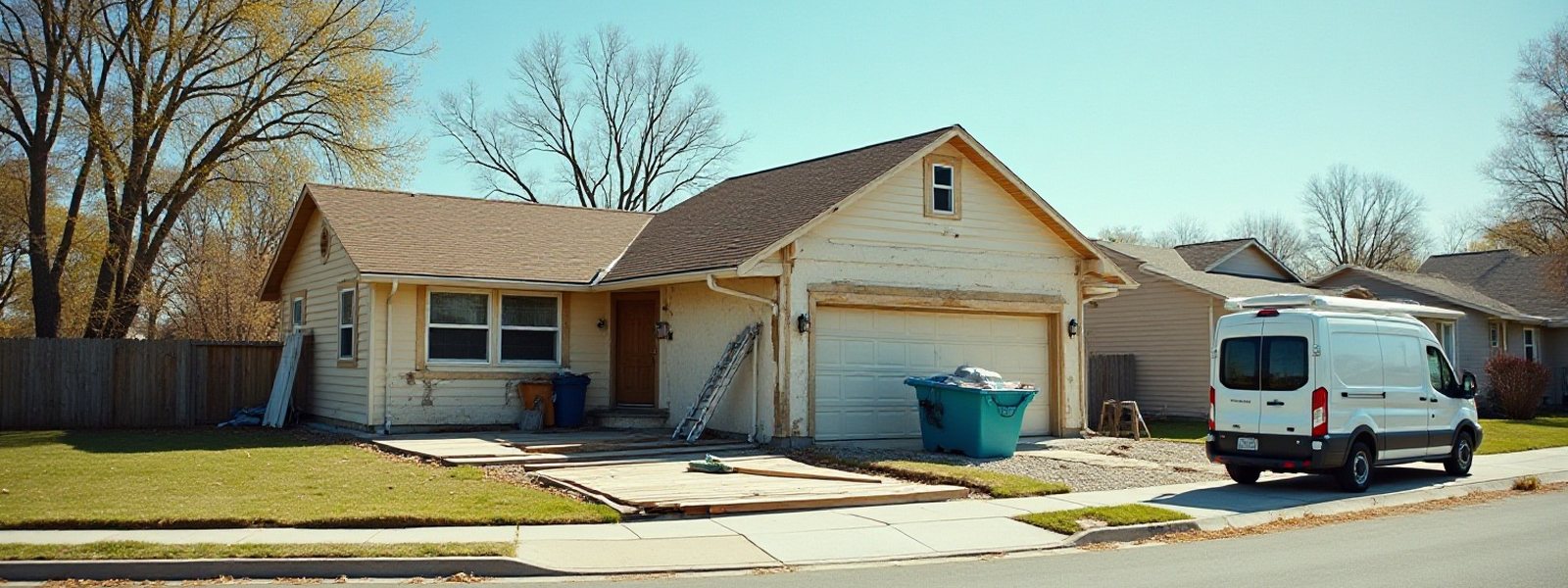
New Mexico's investor market runs along the Rio Grande, from Santa Fe through Albuquerque to Las Cruces. The state has no transfer tax and clear landlord rules, but it keeps sale prices private and resets a property's tax value when it sells, two facts that change how you should run the numbers. This page covers both, where lenders will finance, and our lending partners' terms.
Our lending partners' underwriting guidelines look for property within about 45 to 60 minutes of a metro area of 200,000 people or more. In New Mexico that covers the Rio Grande corridor, where most of the state lives.
The Albuquerque metro: Albuquerque, Rio Rancho, Bernalillo, Los Lunas and Belen.
Santa Fe sits about an hour north of Albuquerque, at the edge of the guideline, so check each address.
Las Cruces is a metro of its own of more than 200,000 people, and it sits next to El Paso.
Where it gets harder: Farmington, Gallup, Roswell, Clovis, Hobbs and Carlsbad are all well over an hour from a qualifying metro. Two rules apply everywhere: a finished value of at least $100,000, and a lot of two acres or less, which rules out many parcels on the edges of Albuquerque and Santa Fe.
New Mexico is a non-disclosure state. Sale prices are not generally part of the public record, so automated value estimates are thin and you cannot look up what the house next door sold for.
That makes the after-repair value, which sets both your loan and your profit, a job for a local agent with multiple listing service access. Ask for closed sales of finished homes nearby, of similar size and age, and ask how each was finished. In adobe and territorial neighborhoods especially, construction type changes value in ways a website estimate cannot see.
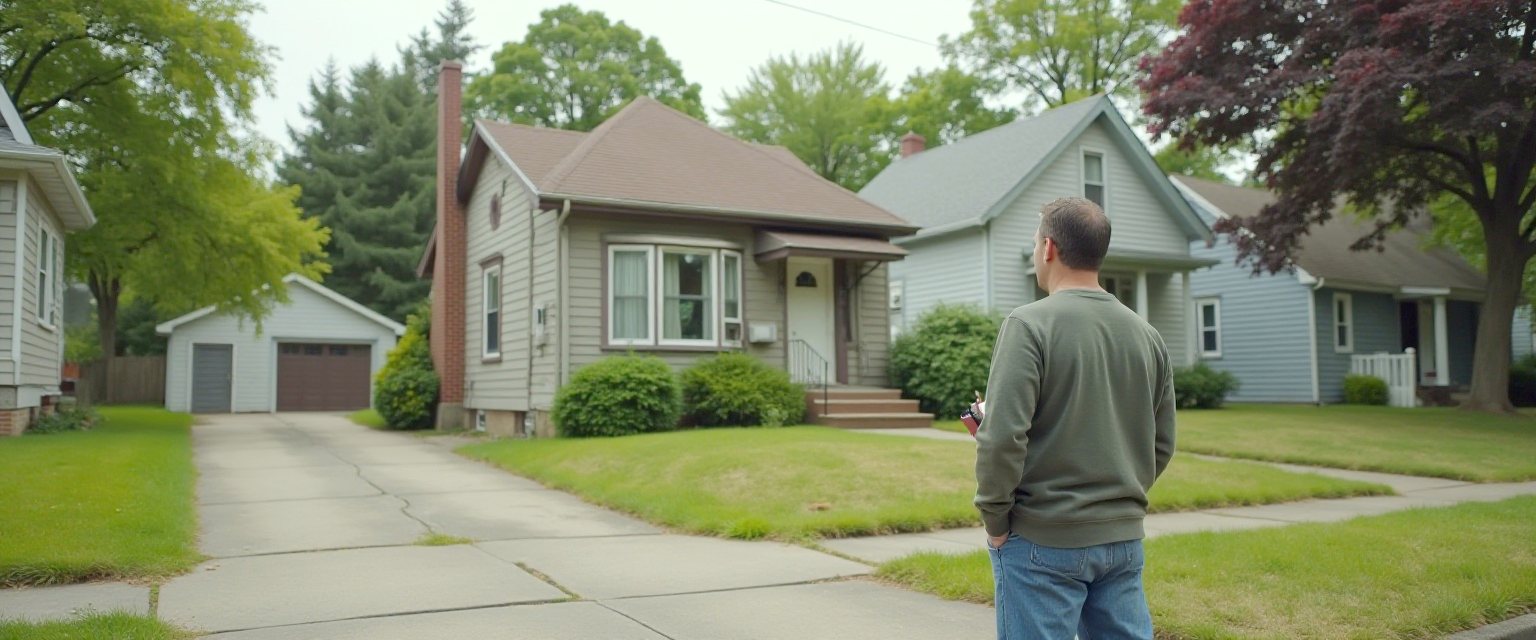
New Mexico taxes residential property on one-third of its assessed value, and it limits how fast the assessed value of a residential property can rise each year, generally to 3 percent. The limit does not follow the property to a new owner: when a house sells, its value is generally reset toward market.
For an investor that means the seller's tax bill is not your tax bill. A house that has been owned for twenty years can carry a bill far below what the next owner will pay. Ask the county assessor what the value is likely to be after a sale, and use that, not the listing's tax figure, when you estimate a rental's holding costs or size a DSCR loan.
No transfer tax. New Mexico does not tax the sale itself, which helps a flip.
Foreclosure goes through the courts in New Mexico, and redemption rights can apply after a sale, so lenders here look closely at the exit plan.
New Mexico's Uniform Owner-Resident Relations Act applies statewide.
Unpaid rent: a written notice, and if the tenant does not pay within three days the landlord can end the rental agreement. Paying the full amount before the three days run out stops the action.
Security deposits: up to one month's rent on an agreement shorter than a year. An annual agreement has no cap, but a deposit above one month's rent earns the tenant annual interest. Deposits go back within 30 days with an itemized list, and missing that deadline can cost the landlord the right to keep any of it.
For a buy-and-hold investor in Albuquerque or Las Cruces, these are workable rules, and a DSCR loan qualifies the rental on its rent. Our lending partners' DSCR program runs from $75,000 to $2 million at up to 80 percent of value, with rates from 5.99 percent on the program page.
No New Mexico county is on the list where our lending partners cap leverage at 50 percent, so standard terms apply wherever the location test is met.
Fix and flip and bridge loans: from $50,000, up to 100 percent of cost but no more than 70 percent of after-repair value, with a 600 minimum credit score. Standard pricing under the underwriting guidelines is 12.99 percent and 2.99 points. The 10.99 percent starting rate is available after two loans have been paid off in good standing with our lending partner; a first-time borrower should expect to start above it and earn the way down.
Construction loans: $100,000 to $3 million on non-owner-occupied single-family homes, from 8.5 percent.
Loans close in an entity such as an LLC, and every owner of 30 percent or more personally guarantees the loan. Terms change, so we confirm them for your property before you commit.
Yes. New Mexico is one of the states our lending partners finance in. The property must be non-owner-occupied, have an after-repair value of at least $100,000, and sit within roughly 45 to 60 minutes of a metro area of 200,000 people or more, which covers the Albuquerque area, Santa Fe and Las Cruces.
No. New Mexico does not charge a transfer tax when real estate is sold, which leaves a flip more of its margin than in states that tax both ends of the deal.
Yes. Sale prices are not generally part of New Mexico's public record, so you cannot reliably look up what nearby homes sold for. Use an agent with multiple listing service access to build an after-repair value from real closed sales.
The landlord gives written notice, and if the tenant does not pay within three days the landlord can end the rental agreement. Paying the full amount due before the three days run out stops the action for nonpayment.
Up to one month's rent on a rental agreement shorter than a year. On an annual agreement there is no cap, but a deposit larger than one month's rent requires the landlord to pay interest on it each year. Deposits must be returned within 30 days, with an itemized list of deductions.
Generally not through our lending partners. Farmington, Roswell, Clovis and Hobbs sit well over an hour from Albuquerque or Las Cruces and have smaller metros of their own, so properties there usually fall outside the location guideline.
Holding a New Mexico rental? Our two free landlord books compare what a rental costs to carry across the states.
Answer these and your deal goes to our lending partner's team, who will contact you about whether it is fundable and on what terms. By sending it you agree to your details being shared with them. Investment property only — our lending partners do not finance a home you will live in.
Thank you. Your details are on their way to our lending partner's team, who will contact you shortly.
Dominion Hard Money does not lend its own funds; it arranges financing through third-party lending partners. All financing is arranged for business purposes only and secured by non-owner-occupied investment property. Not a commitment to lend. All loans subject to underwriting, property review, and approval by the lender. Terms vary by property, borrower experience, and exit strategy.
Texas · Colorado · Oklahoma · Location rules for flip loans · All states