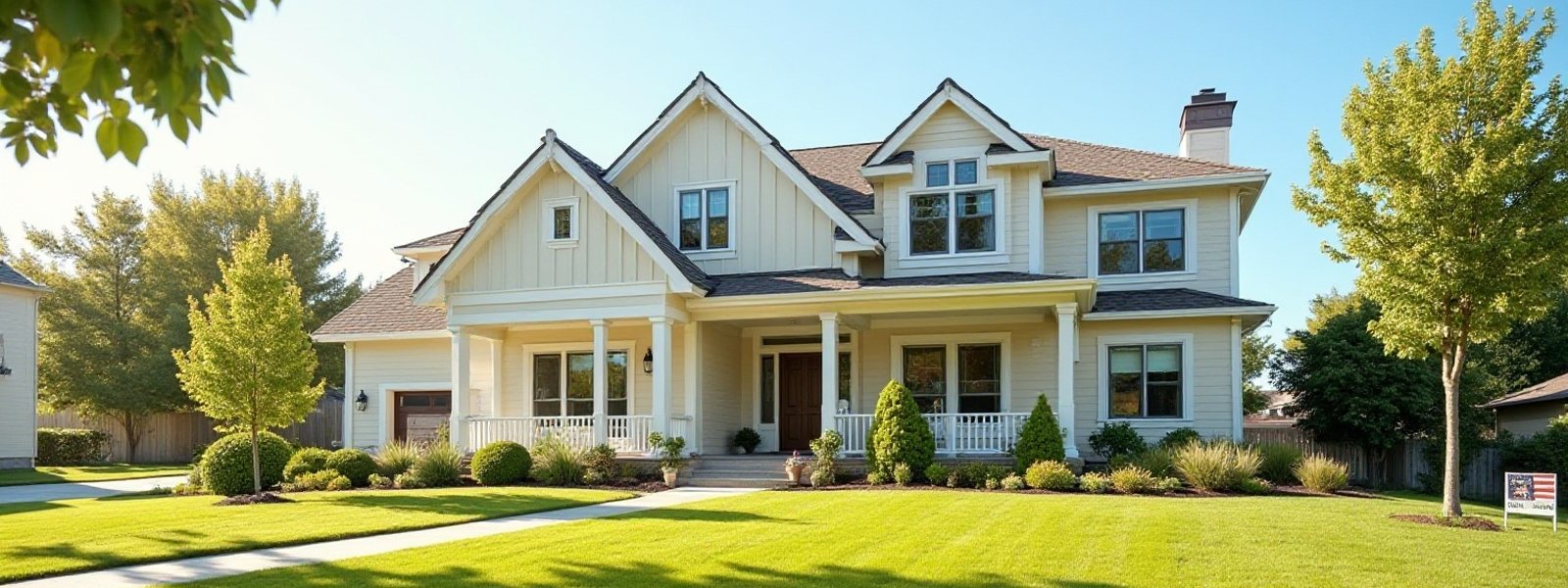
In most states the property tax is the carrying cost investors argue about. In Oklahoma it is the insurance. The state's property taxes are modest and capped, but its homeowners insurance is now among the most expensive in the country, driven by hail, and the deductible is usually a percentage of the house. Oklahoma deals that fail rarely fail on the purchase price. They fail on the roof, the policy and the deductible nobody priced.
Oklahoma's homeowners insurance bill has become a headline number. NerdWallet's 2026 analysis, as reported by insurance trade press, put the state average at about $7,255 a year, the highest in the country and nearly three times the national average, with Oklahoma City higher still at around $9,770. Insurify's 2026 analysis has the state on pace to be the second most expensive and puts its average wind and hail deductible at about $6,044. The measurements differ, but they agree on the direction.
The cause is severe convective weather. In 2024 Oklahoma recorded more tornadoes than any other state, and trade reporting on the year found hail caused more damage to Oklahoma homes than any other single peril. That shows up in three places an investor has to budget for.
The premium. Get a real quote on the exact address before you make the offer. On a rental, it is a fixed monthly cost that the rent has to cover, and in Oklahoma it can be larger than the property tax.
The deductible. Oklahoma policies commonly carry a separate wind and hail deductible set as a percentage of the dwelling coverage. At 2 percent on a house insured for $250,000, the first $5,000 of every hail claim is yours. For a landlord holding several houses, one storm can mean several deductibles at once.
The roof itself. Carriers price the roof's age and material. A worn roof on a flip is not just a repair item; it can make the house hard for the next buyer to insure, which makes it hard to sell. During the renovation, the lender's guidelines also require builder's risk coverage while work is under way.
Oklahoma's response is the Strengthen Oklahoma Homes program, run by the Oklahoma Insurance Department, which offers grants of up to $10,000 toward a roof built to the IBHS FORTIFIED standard with its hail supplement. As with similar programs elsewhere, the grant is for an owner-occupied, single-family primary residence, so a flip or a rental does not qualify. An investor who is replacing the roof anyway can still build to the standard at their own cost, and give the eventual buyer a stronger roof and, with many carriers, a lower premium to point at.
Oklahoma's property tax is a three-step calculation. The county assessor sets the property's fair cash value. The county then assesses it at a ratio set in the constitution at no less than 11 percent and no more than 13.5 percent of that value, which varies by county. The local millage is applied to the result, less any exemptions such as the $1,000 homestead exemption for an owner's primary residence.
Article 10, Section 8B of the state constitution then limits how fast the taxable value can grow: 5 percent a year for most property, including rentals, and 3 percent for homesteads and agricultural land. The same section says the limit does not apply in any year when title is transferred or when improvements are made. So an investor who buys a house and renovates it should expect the county to reset its value to full fair cash value, and to start the cap again from there.
That cap may be about to change. State Question 847 is on the statewide ballot on November 3, 2026. If voters approve it, from the 2027 tax year the annual limit would fall to 4 percent for most property and 1.75 percent for homesteads and agricultural land, with new tiers for seniors. Either way, the reset on sale and improvement stays in place, so for an investor the measure matters mainly to the years of holding that follow the purchase, not to the first bill.
The practical rule: ignore the seller's bill. Take the value you expect after renovation, apply the county's assessment ratio and the millage for that address, and remember the homestead exemption leaves with the owner.

Oklahoma City is the state's biggest investor market, and it spreads across several counties, chiefly Oklahoma, Cleveland and Canadian. In Redfin's listing data in early 2026, the median asking price was around $309,000 in Oklahoma City, about $335,000 in Norman, about $304,000 in Yukon and about $485,000 in Edmond. Those are asking prices across whole cities, not sale prices for your street, and the gap between an older house near downtown and a newer one at the edge of the metro is wide.
The insurance point is sharpest here. The Oklahoma City area carries some of the highest premiums in the state, and a DSCR rental that works on the purchase price can stop working once the real premium and a percentage deductible are in the numbers. Get the quote on the address first, then check the rent against it.
For flips, the city's large stock of mid-century ranch houses rewards a clear renovation scope: roof, then mechanicals, then finishes. Price the after-repair value from renovated sales a few streets away, and build in a slower sale than the headline days-on-market figure suggests.
Tulsa is the second market, with lower prices than Oklahoma City: Redfin's early-2026 listing median was around $250,000 in Tulsa and about $340,000 in Broken Arrow. The same insurance discipline applies. Northeastern Oklahoma sees its share of hail, and the deductible structure is the same.
Beyond the two metros, the lender's guidelines narrow the field. A property should be within roughly 45 minutes to an hour of a metro area of at least 200,000 people, and its after-repair value must be at least $100,000. Much of rural Oklahoma falls outside one or both, however cheap the purchase looks.
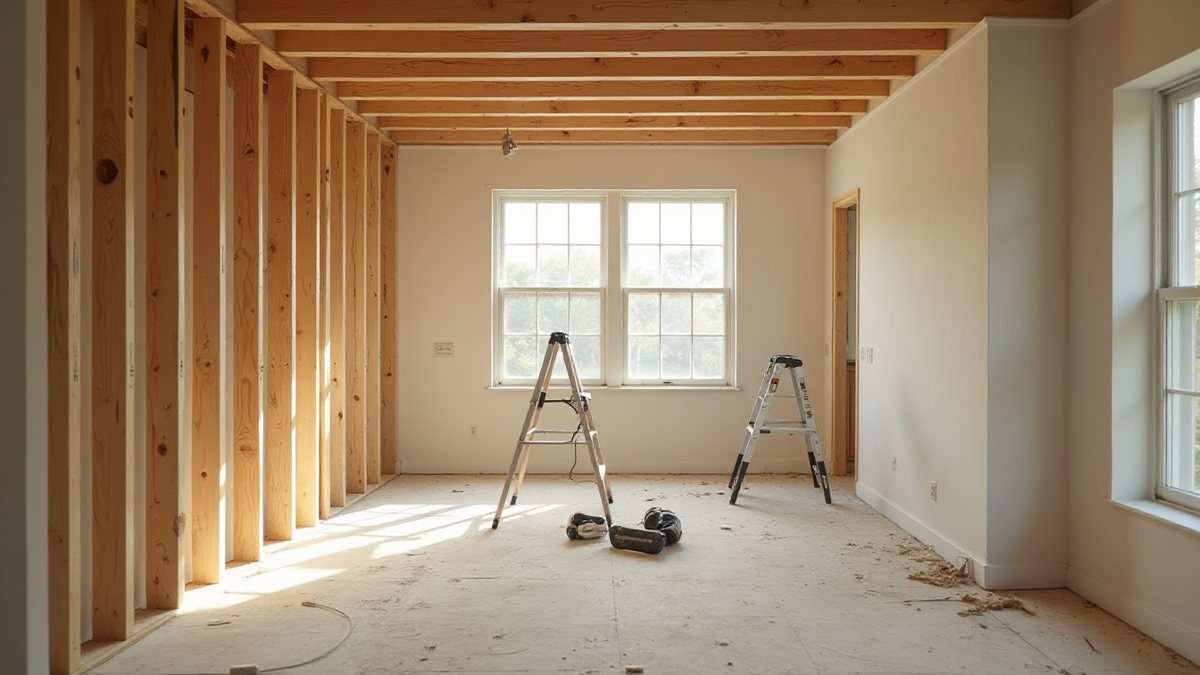
Oklahoma is one of the states where our lending partners pay placement fees, and none of its counties is on the lender's restricted list. The published fix-and-flip and bridge programs lend up to 100 percent of cost and 70 percent of the after-repair value, with a minimum loan of $50,000, a minimum credit score of 600, and loans of up to twelve months; the lender's underwriting guidelines set a nine-month standard term, with extensions considered case by case. The published starting rate is 10.99 percent plus 1.99 origination points.
The 10.99 percent starting rate is available after two loans have been paid off in good standing with our lending partner; a first-time borrower should expect to start above it and earn the way down.
A few more lines from the guidelines matter here: an after-repair value of at least $100,000, a renovation budget capped at $40,000 for a borrower with zero or one completed project, at least $15,000 in reserves, and builder's risk insurance during the renovation, with a standard hazard policy where no work is being done.
An Oklahoma City example: a house worth $250,000 after renovation supports a loan of up to $175,000 at 70 percent. If purchase and renovation together cost $185,000, the investor brings about $10,000 plus closing costs and reserves. If the roof is part of the work, get the builder's risk quote and the post-renovation homeowners quote before you close, because both depend on it.
1. Get an insurance quote on the exact address. Note the wind and hail deductible as a dollar figure, not just a percentage.
2. Look at the roof first. Age, material and hail damage. Decide whether it is being replaced, and whether to build it to the FORTIFIED standard.
3. Recalculate the tax at full value. The cap resets on the sale and on the improvements, and the homestead exemption leaves with the seller.
4. Check the after-repair value clears $100,000, and that the property is within reach of Oklahoma City or Tulsa.
5. Price it street by street. Citywide asking prices are not an ARV.
6. Get written contractor bids and add at least ten percent. If you have done one deal or none, keep the scope inside $40,000.
7. If you plan to rent, run the DSCR with the real premium. In Oklahoma, the insurance line can decide whether the rent covers the payment.
No insurance quote. In this state it can be the largest carrying cost, and an uninsurable roof makes the house hard to sell.
A rental whose rent does not cover the payment, tax and premium. The DSCR exit fails before it starts.
An after-repair value under $100,000, or a property too far from a qualifying metro area.
A first deal with a large scope. Budgets over $40,000 need at least two completed projects.
A home you plan to live in. Our lending partners cannot finance an owner-occupied property. That is federal law, not preference.
Our lending partners publish rates starting at 10.99 percent plus 1.99 origination points, available to repeat borrowers with two loans paid off in good standing. A first-time borrower should expect to start higher. Appraisal, title and closing costs are additional.
Yes, across the Oklahoma City metro, including Edmond, Norman and Yukon, and across the Tulsa metro, including Broken Arrow. None of Oklahoma's counties is on the lender's restricted list, so standard leverage applies, subject to underwriting of each deal.
Oklahoma's homeowners premiums are among the highest in the country, and wind and hail deductibles are usually a percentage of the dwelling coverage. On a rental, the premium can outweigh the property tax. On a flip, a worn roof can make the house hard for the next buyer to insure.
If voters approve it on November 3, 2026, the yearly cap on taxable value growth would fall from 5 to 4 percent for most property, and from 3 to 1.75 percent for homesteads, from 2027. The cap still resets when a property is sold or improved.
Yes. The property carries most of the weight, but our lending partner pulls credit on every guarantor and sets a minimum middle score of 600. A bankruptcy, foreclosure or short sale in the past 36 months generally makes a borrower ineligible, though it can be reviewed with an explanation.
Yes. Private, business-purpose loans secured by investment property are a normal part of the market. Lenders and anyone arranging loans are still subject to state and federal law, so ask any lender for its licensing details and confirm them. This is general information, not legal advice.
Want the long version? Two free landlord books cover what a rental really costs to hold and what the new federal housing law actually changed.
Answer these and we will tell you whether it is fundable, on what terms, and how fast it could close. Investment property only — our lending partners do not finance a home you will live in.
We will run the numbers and come back to you. If it is time-sensitive, call 903-636-7511.
Dominion Hard Money does not lend its own funds; it arranges financing through third-party lending partners. All financing is arranged for business purposes only and secured by non-owner-occupied investment property. Not a commitment to lend. All loans subject to underwriting, property review, and approval by the lender. Terms vary by property, borrower experience, and exit strategy.
Texas · Missouri · Colorado · DSCR loans · Fix and flip loans · Loan calculator