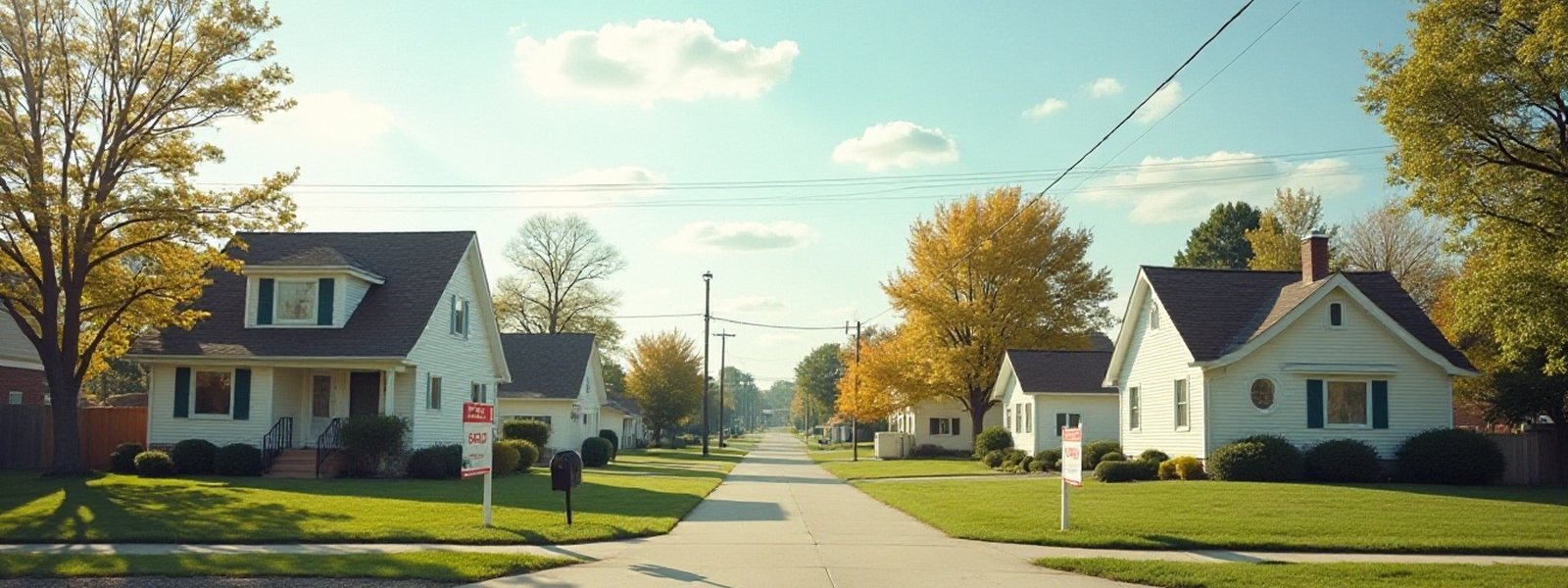
Indianapolis is one of the country's steadier rental markets, and Indiana gives landlords something rare: a constitutional cap on property tax. This page explains how that cap works on a rental, why the seller's tax bill is the wrong number to use, Indiana's landlord rules, and how our lending partners finance buying, renovating and refinancing in the Indianapolis metro.
Indianapolis has long been a favorite of rental investors, and the reasons are structural: moderate prices, a large and steady renter population, landlord rules that are statewide and quick, and one feature almost no other state has, a constitutional cap on property tax.
Financing is straightforward too. Marion County and the surrounding counties, including Hamilton, Hendricks, Johnson, Boone and Hancock, sit inside a metro of more than two million people and are not among the six counties our lending partners cap at 50 percent leverage. Standard terms apply across the metro.
Indiana's constitution caps property tax bills as a percentage of gross assessed value: 1 percent for an owner-occupied home, 2 percent for other residential property, including rentals, and 3 percent for most other property. Taxes approved by voters in a local referendum can be added outside the cap.
For a rental investor this does two things. It puts a ceiling on the largest holding cost, which makes a rental's numbers more predictable than in most states. And it means the bill doubles when a house goes from an owner's home to a rental, because the cap goes from 1 percent to 2 percent and the homestead deductions fall away.
So never use the seller's homestead tax bill for a rental. On a house assessed at $200,000, the 2 percent cap allows up to about $4,000 a year before any referendum levies, against up to $2,000 for an owner-occupant. A DSCR loan counts the full tax in the payment the rent must cover, so size the loan on the rental figure.
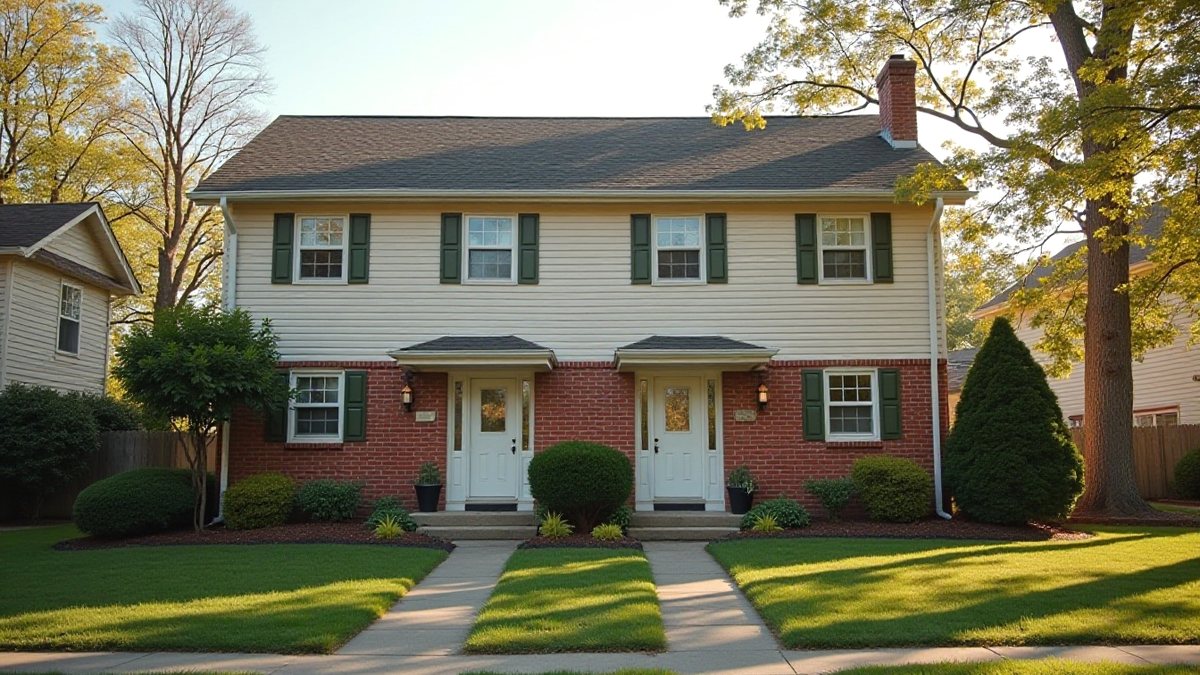
Unpaid rent: a ten-day written notice to pay or leave, then an eviction case in court.
Security deposits: returned within 45 days after the tenancy ends and the tenant gives a forwarding address, with an itemized list of damages.
No transfer tax. Indiana does not tax the transfer of real estate; a sales disclosure form is filed with each sale instead.
Foreclosure goes through the courts in Indiana, which is slower than a trustee sale and part of why lenders look closely at the exit.
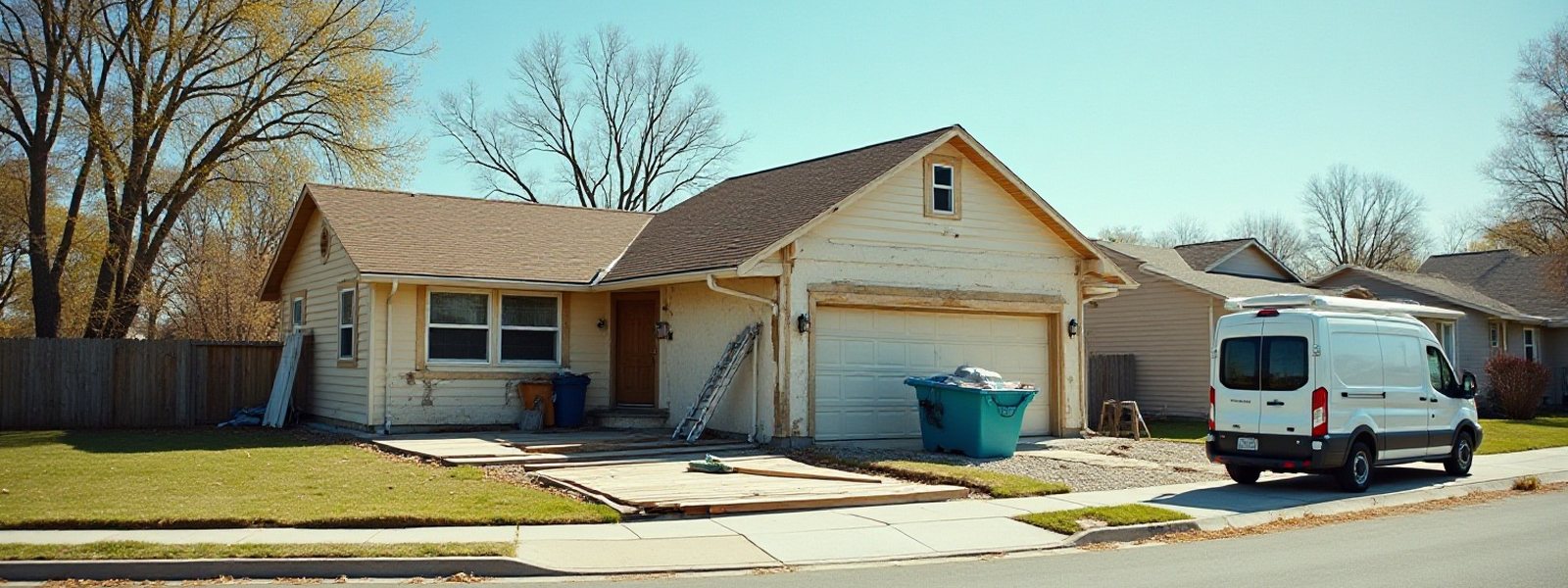
Many Indianapolis investors use a two-loan plan: a fix and flip loan to buy and renovate, then a DSCR loan to refinance once the house is rented. Our lending partners offer both. The refinance is sized on the new appraised value and the rent, so the plan only works if the renovated value supports it and the rent covers the full payment, including the 2 percent tax figure. Check the $100,000 minimum after-repair value too; some Indianapolis neighborhoods sit close to it.
More on how that works, with numbers, in our guide to getting a rental with little money down.
Fix and flip and bridge loans: from $50,000, up to 100 percent of cost but no more than 70 percent of after-repair value, with a 600 minimum credit score. Standard pricing under the underwriting guidelines is 12.99 percent and 2.99 points. The 10.99 percent starting rate is available after two loans have been paid off in good standing with our lending partner; a first-time borrower should expect to start above it and earn the way down.
DSCR rental loans: $75,000 to $2 million at up to 80 percent of value, qualified on the rent, with rates from 5.99 percent on the program page.
Loans close in an entity such as an LLC, and every owner of 30 percent or more personally guarantees the loan. Terms change, so we confirm them for your property before you commit.
Yes, on standard terms. Marion County and the surrounding counties are not among the six counties where our lending partners cap leverage at 50 percent, and the Indianapolis metro easily meets their location guideline. The property must be non-owner-occupied with an after-repair value of at least $100,000.
Indiana's constitution caps property tax bills as a share of gross assessed value: 1 percent for an owner-occupied home, 2 percent for other residential property including rentals, and 3 percent for most other property. Local levies approved by voters can be added outside the caps.
No. Indiana does not charge a state transfer tax, though a sales disclosure form is filed with each sale.
With a ten-day written notice to pay or leave before filing an eviction case.
Within 45 days after the tenancy ends and the tenant provides a forwarding address, with an itemized list of any damages deducted.
Because a DSCR loan counts the full property tax in the payment the rent has to cover. Indiana's cap puts a ceiling on that tax for a rental, which makes the numbers more predictable than in many states, but the cap for rentals is double the cap for an owner's home, so do not use the seller's homestead bill.
Holding an Indianapolis rental? Our two free landlord books compare what a rental costs to carry across the states.
Answer these and your deal goes to our lending partner's team, who will contact you about whether it is fundable and on what terms. By sending it you agree to your details being shared with them. Investment property only — our lending partners do not finance a home you will live in.
Thank you. Your details are on their way to our lending partner's team, who will contact you shortly.
Dominion Hard Money does not lend its own funds; it arranges financing through third-party lending partners. All financing is arranged for business purposes only and secured by non-owner-occupied investment property. Not a commitment to lend. All loans subject to underwriting, property review, and approval by the lender. Terms vary by property, borrower experience, and exit strategy.
Indiana · Cincinnati · DSCR rental loans · DSCR requirements · Illinois