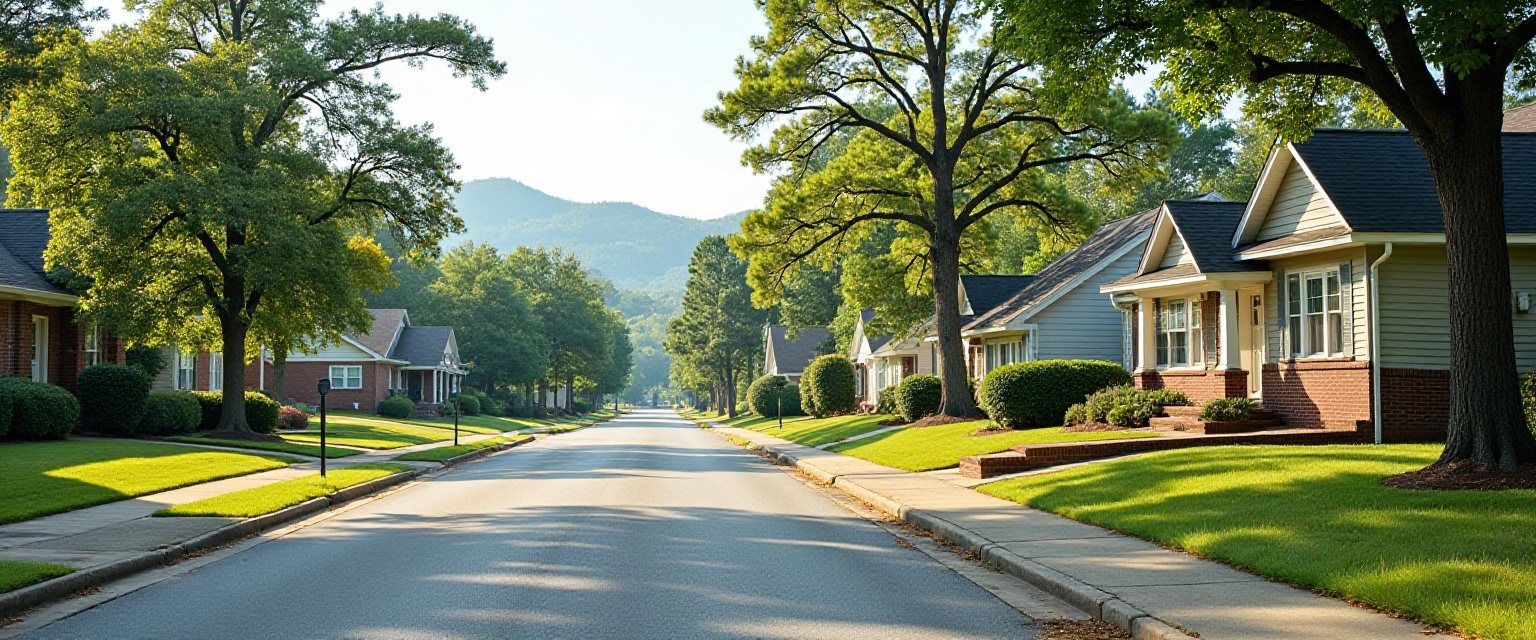
South Carolina gives homeowners one of the gentlest property tax bills in the Southeast and gives landlords one of the least forgiving. That single fact changes the numbers on every investment deal in the state, and most listings never show it.
South Carolina calculates property tax in three steps: the county's value for the property, multiplied by an assessment ratio, multiplied by the local millage. The assessment ratio is where investors get caught.
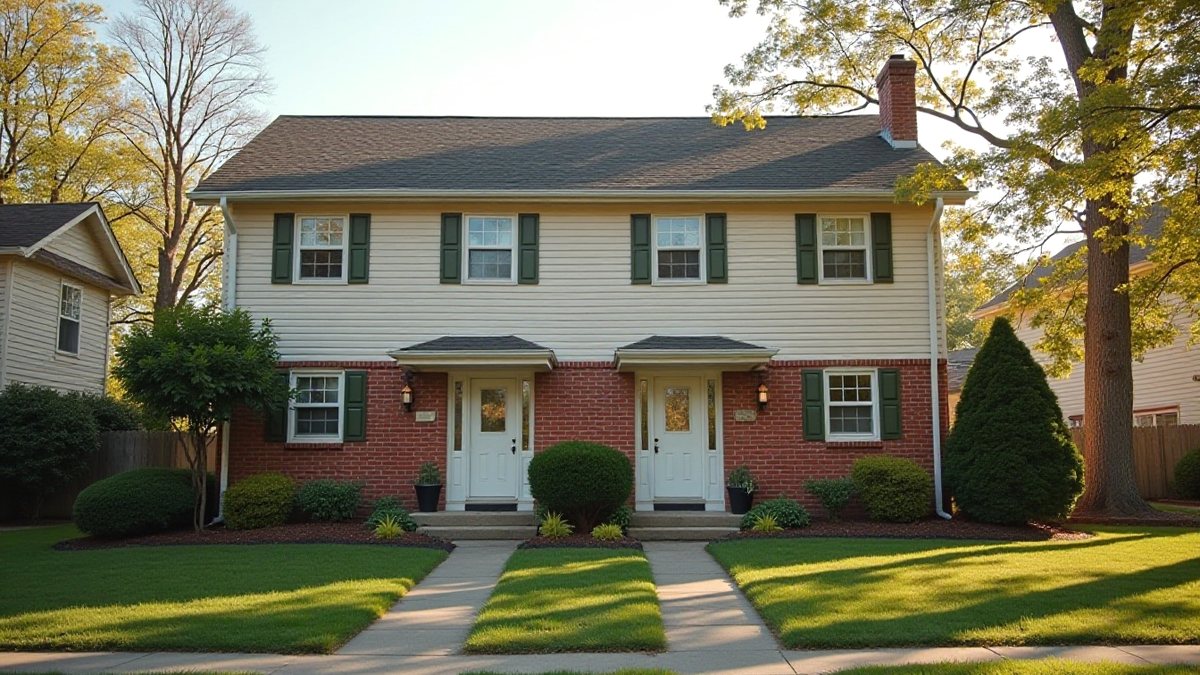
A home that the owner lives in as their legal residence is assessed at 4 percent of its value. A second home, a rental or any other investment property is assessed at 6 percent. On a $300,000 house that is $12,000 of assessed value for the homeowner and $18,000 for the investor — half as much again before a single mill is applied.
Then comes the part that makes the gap much wider. Under Act 388 of 2006, owner-occupied homes are exempt from the school operating millage, which is usually the largest single piece of the bill. Rentals pay it in full. A study for the South Carolina Chamber of Commerce with the Tax Foundation found that a residential rental can pay up to three times the property tax of the same home owned by the person living in it.
Two practical consequences. First, the tax figure on a listing is almost always the seller's bill at the 4 percent owner-occupied rate, which tells you nothing about what you will pay. Recalculate it at 6 percent with the full millage for that parcel, from the county auditor, before you offer. Second, South Carolina caps reassessment increases at 15 percent over five years, but the cap resets when a property sells. Your purchase is the reassessment, so the bill is built on your price.
The Upstate — Greenville, Spartanburg and Anderson along the I-85 corridor — is where the flipping activity is. In ATTOM's first-quarter 2026 report, the Spartanburg metro posted a flipping rate of 12.1 percent of all home sales, the fifth highest of the 174 metro areas measured and half as much again as the national rate of 8 percent.
The market underneath it has cooled into balance rather than falling. In Greenville County, Redfin put the median sale price at about $368,000 for the three months to May 2026, up 0.4 percent on a year earlier, with homes taking around 57 days to sell against 50 the year before. The Greater Greenville market report counted 5,444 homes for sale in March, up 28 percent year over year. More supply and flat prices mean the after-repair value has to come from what has actually closed nearby, not from last year's momentum.
The coast — Charleston, Beaufort and Myrtle Beach — runs on a different set of numbers. Values are higher, and the cost that decides most deals is not the tax. It is the insurance.
In five coastal counties — Beaufort, Charleston, Colleton, Georgetown and Horry — many private insurers will not cover wind and hail. The state's answer is the South Carolina Wind and Hail Underwriting Association, known as the Wind Pool, created by the legislature in 1971.
The Wind Pool covers wind and hail only. Fire, theft, water damage and liability need a separate policy, and flood needs a third, through the National Flood Insurance Program or a private flood carrier. Wind Pool policies also usually carry their own named-storm deductible, often 1 to 5 percent of the dwelling limit, so a hurricane claim on a $400,000 property can start with $4,000 to $20,000 out of your pocket.
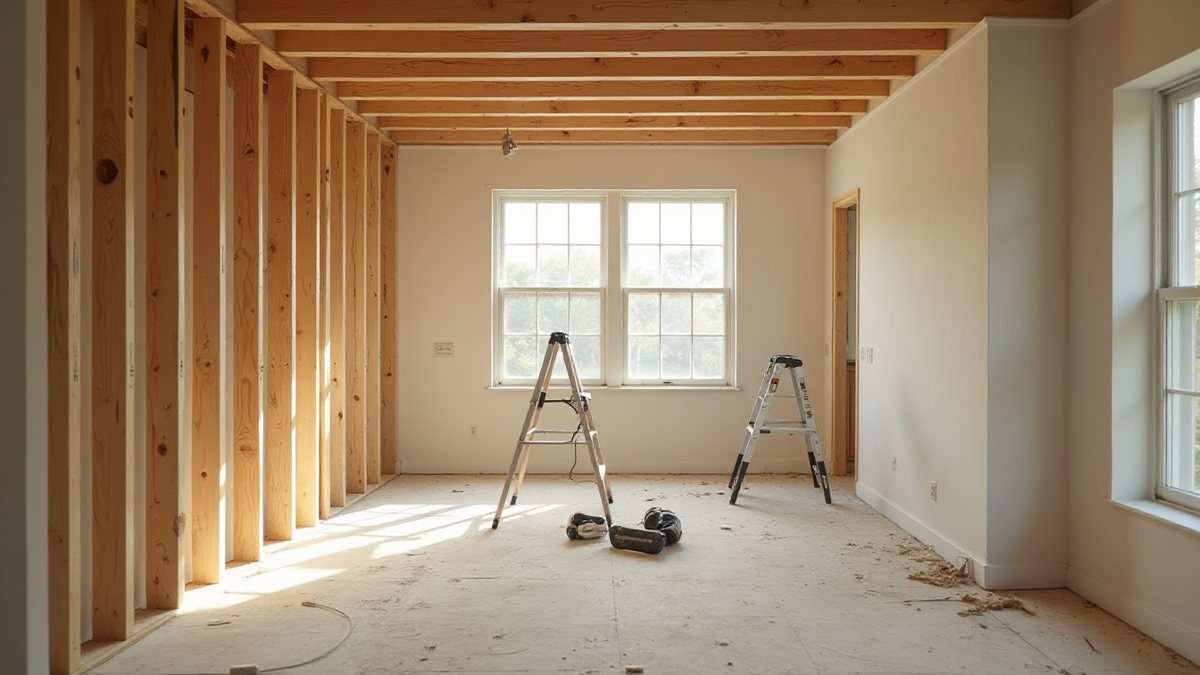
For an investor that means three quotes, three premiums and a real deductible in the budget before closing, not after. A property you are renovating is also vacant, and vacant-property or builder's-risk coverage costs more than a standard policy. Charleston has one more factor worth knowing: it sits near a historically active seismic zone, the site of the 1886 earthquake, and earthquake cover is a separate endorsement.
South Carolina is one of the states where our lending partners pay placement fees, and none of its counties is on the lender's restricted list, so standard terms apply statewide. The published fix-and-flip and bridge programs run up to 70 percent of the property's value, with a minimum loan of $50,000, terms of up to twelve months and a minimum credit score of 600. The published starting rate is 10.99 percent plus 1.99 origination points.
The 10.99 percent starting rate is available after two loans have been paid off in good standing with our lending partner; a first-time borrower should expect to start above it and earn the way down.
Take a house in Greenville County worth $368,000 after renovation. Seventy percent of that is about $258,000. If the purchase and renovation together cost $300,000, the investor brings the difference plus closing costs and reserves. That is normal. What sinks South Carolina deals is not the size of that check but the carrying costs underneath it: a property tax figured at the wrong rate, or a coastal insurance bill that nobody quoted until the week of closing.
Loans are for investment property only, held in an LLC, corporation or trust. If you plan to keep the property as a rental, the usual exit is a DSCR loan, which is qualified on the rent rather than your personal income — and in South Carolina that rent has to cover a tax bill at 6 percent.
1. Recalculate the tax. Six percent of value, times the full millage for the parcel including school operating millage. Get the millage from the county auditor, not the listing.
2. Know which county you are in. If it is Beaufort, Charleston, Colleton, Georgetown or Horry, ask your agent whether the property needs Wind Pool coverage, and get all three insurance quotes during diligence.
3. Pull the flood zone for the exact address. On the coast it can move the insurance by thousands a year, and it affects who will buy the house from you later.
4. Build the ARV from closed sales. Renovated, comparable houses sold in the last six months, close by. With inventory up sharply in the Upstate, listings are not evidence.
5. Get written contractor bids and add a contingency of at least ten percent.
6. Budget five or six months of holding costs, not three. Interest, taxes at the investor rate, insurance and utilities for every month you own it.
7. Decide your exit before you buy. Sell or rent. If there is any chance you hold it, run the rent against a DSCR payment that includes the real tax and insurance.
Taxes copied from the listing. The seller's owner-occupied bill can understate your real tax by half or more.
No insurance quotes on a coastal property. Wind, flood and the standard policy, with the storm deductible counted.
An ARV from a county median. Block-level renovated comps only.
No reserves. The lender needs to see cash to carry the loan if the sale runs long.
A home you plan to live in. Our lending partners cannot finance an owner-occupied property. That is federal law, not preference.
Our lending partners publish rates starting at 10.99 percent plus 1.99 origination points, available to repeat borrowers with two loans paid off in good standing. A first-time borrower should expect to start higher. Appraisal, title and closing costs are additional, and the rate is the same whether the property is in Greenville or Charleston.
In practice, yes. Because the loan is capped at a share of the property's value, most deals need the investor to bring cash for part of the purchase and closing costs, plus reserves.
Yes. Private, business-purpose loans secured by investment property are a normal part of the market. Lenders and anyone arranging loans are still subject to state and federal law, so ask any lender for its licensing details and confirm them. This is general information, not legal advice.
They are expensive and short, so the danger is almost always the exit, not the loan. A deal that only works if the house sells quickly at a high price is the risk. Build the budget on a slower sale, the investor tax rate and real insurance quotes, and the loan is a tool rather than a trap.
From private capital rather than customer deposits: investors, funds and the lender's own balance sheet. That is why decisions rest on the property and the plan rather than on bank-style income rules.
Yes. Coastal deals are underwritten the same way as anywhere else in the state, but they need the wind, flood and standard insurance quotes in the file from the start.
Want the long version? Two free landlord books cover what a rental really costs to hold and what the new federal housing law actually changed.
Answer these and we will tell you whether it is fundable, on what terms, and how fast it could close. Investment property only — our lending partners do not finance a home you will live in.
We will run the numbers and come back to you. If it is time-sensitive, call 903-636-7511.
Dominion Hard Money does not lend its own funds; it arranges financing through third-party lending partners. All financing is arranged for business purposes only and secured by non-owner-occupied investment property. Not a commitment to lend. All loans subject to underwriting, property review, and approval by the lender. Terms vary by property, borrower experience, and exit strategy.
Georgia · Atlanta · Fix and flip loans · DSCR loans · Loan calculator · Rates and terms