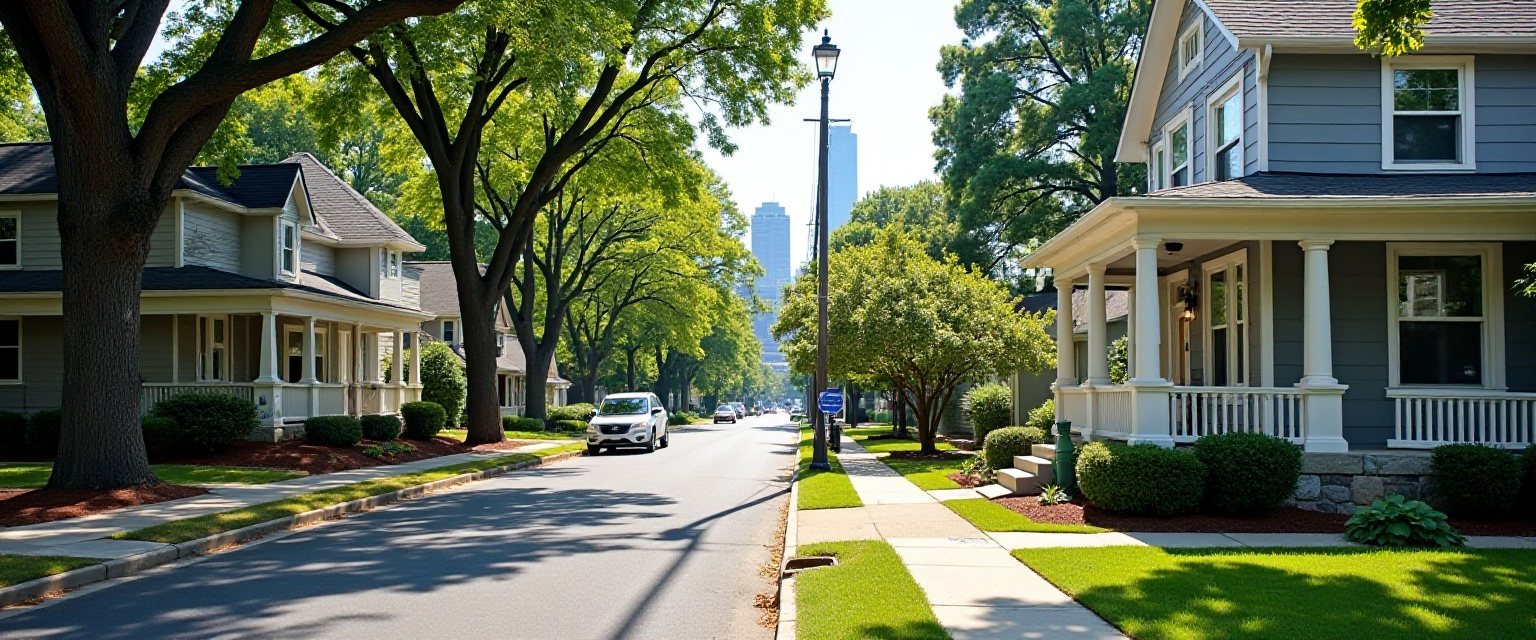
Metro Atlanta flips a larger share of its houses than almost any market in America. It is also a market that has just turned, unevenly, and the investors who do well here in 2026 are the ones who can tell which half of the metro they are standing in.
ATTOM's first-quarter 2026 flipping report put metro Atlanta's flipping rate at 12.3 percent of all home sales — second out of the 174 metro areas it measured, behind only Columbus, Georgia. At the state level, Georgia led the nation. Nationally the figure was 8 percent.
The returns have held up better here than the national headlines suggest. In a July 2026 follow-up that looked at loan-level deals, ATTOM and Backflip found the average Atlanta flip was bought for about $370,000, resold for about $470,000, and produced a gross profit near $100,000 — a 27 percent gross return, with loans paid off in roughly 90 days. Dallas-Fort Worth, measured the same way, averaged a 4.3 percent gross return.
Two cautions before anyone reads that as an invitation. Gross profit is before holding costs, financing, closing costs and commissions, so the net is materially smaller. And a high flipping rate cuts both ways: the houses you are competing to buy are being competed for by more investors than almost anywhere else, which is why disciplined offers matter more here, not less.
This matters because the after-repair value is the number your loan is built on, and the published Atlanta figures genuinely disagree:
FMLS, July 2026: median detached home $475,000, up 2.2 percent on a year earlier, with a typical 38 days from listing to sale.
Georgia MLS, January 2026: metro median sale price $380,000, down about 2 percent year over year, with 4.2 months of supply.
Market commentary citing Atlanta REALTORS and FMLS for the first quarter: a metro median near $385,000, down about 2.8 percent, with supply around 5.4 months and homes taking close to 58 days to sell.
None of those is wrong. They measure different things: detached houses against all homes, eleven counties against twelve, a single month against a quarter. The spread between them — roughly $90,000 — is larger than the profit on a typical flip.
So an Atlanta ARV cannot come from a metro median, a ZIP-code average or an online estimate. It comes from closed sales of comparable, renovated houses within a short distance of the subject property, sold recently. A lender's valuation will be built that way whether yours is or not, and the gap between the two is where deals get cut.
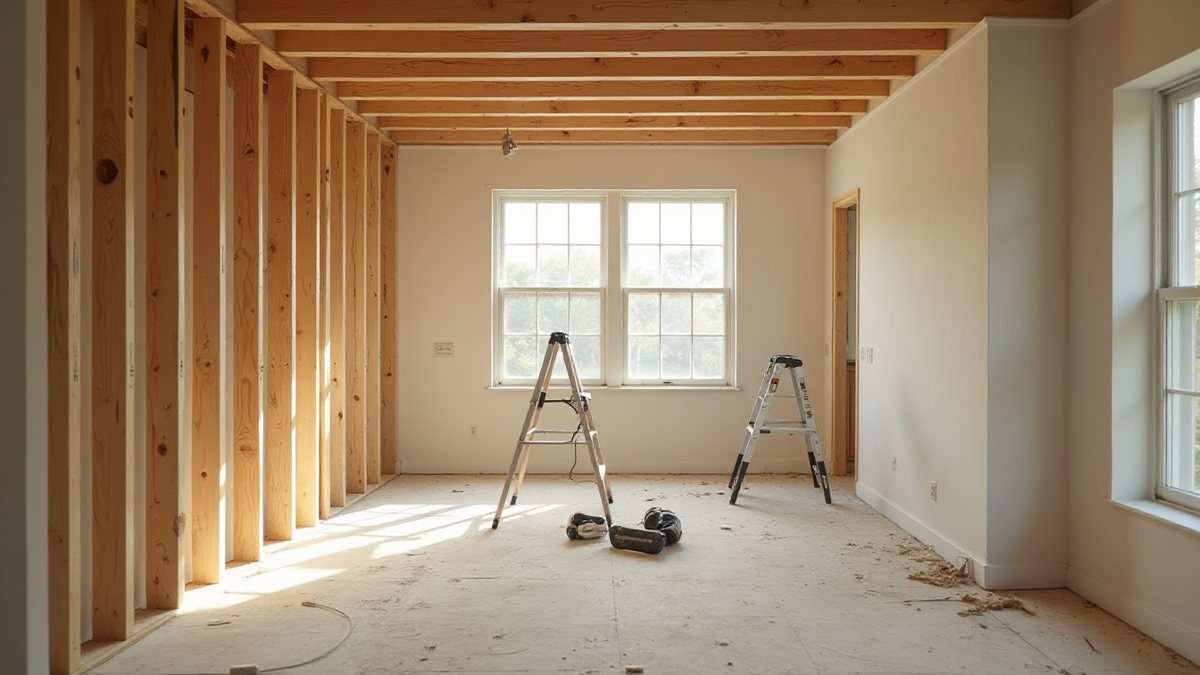
The same July FMLS report that shows detached prices still rising shows the other half of the market clearly weakening. Townhomes and condominiums — what FMLS calls attached homes — had 6.5 months of supply, up from 6.0 a year earlier, with pending sales down almost 17 percent. That is buyer's-market territory.
Geography splits the same way. Market reports through 2026 have described the softest pricing in the south metro, particularly Clayton and Henry counties, where large single-family rental funds have been selling homes they bought in earlier years, while the northern counties such as Forsyth and Cherokee have held up best.
For a flip, that means two practical adjustments. On attached product, budget for a longer sale than the 2021-2023 market taught everyone to expect, and price the exit off what has actually closed, not what is listed. South of I-20, where the entry prices are lowest and the investor competition is heaviest, check whether your comps include recent institutional sales that are setting prices lower than the older data shows.
There is also a longer-term factor. Under the 21st Century ROAD to Housing Act, entities controlling 350 or more single-family homes cannot buy another from January 7, 2027, and metro Atlanta is one of the few markets where those buyers held a meaningful share. What that does to Atlanta prices will vary street by street, not metro-wide, and anyone promising a citywide effect is guessing. Our free field guide to the Act shows how to check whether it touches your ZIP code.
Our lending partners' published fix-and-flip and bridge programs run up to 70 percent of the property's value, with a minimum loan of $50,000, terms of up to twelve months, and a minimum credit score of 600. The published starting rate is 10.99 percent plus 1.99 origination points.
The 10.99 percent starting rate is available after two loans have been paid off in good standing with our lending partner; a first-time borrower should expect to start above it and earn the way down.
Run the Atlanta averages above through those limits and the practical point is obvious. At a $470,000 resale value, 70 percent is about $329,000 — less than the $370,000 average purchase price before a dollar of renovation. A typical Atlanta flip therefore needs real cash from the investor, and the size of that check, not the interest rate, is usually what decides whether the deal happens.
Time is the other cost. On a $300,000 loan, every additional month at a rate in the low teens costs around $3,000 in interest. The 90-day Atlanta average is an average; a townhome that sits for five months on the market turns a thin deal into a losing one. Build the budget on the slower timeline and let a fast sale be the bonus.
Georgia is one of the states where our lending partners pay placement fees, and none of Georgia's counties is on the lender's restricted list, so standard terms apply across the metro. Loans are for investment property only, held in an LLC, corporation or trust.
People search for hard money lenders in Atlanta with no credit check, and the honest answer is that there is no such loan here. Credit is pulled, and the published minimum is 600.
What is true is that credit is not what decides the file. These loans are asset-based: the property, the purchase price, the renovation budget and the exit carry the decision. A borrower at 640 with a well-bought house and a credible exit is a stronger file than one at 780 with an optimistic ARV. What does disqualify people is a recent bankruptcy, foreclosure or short sale, not a middling score.
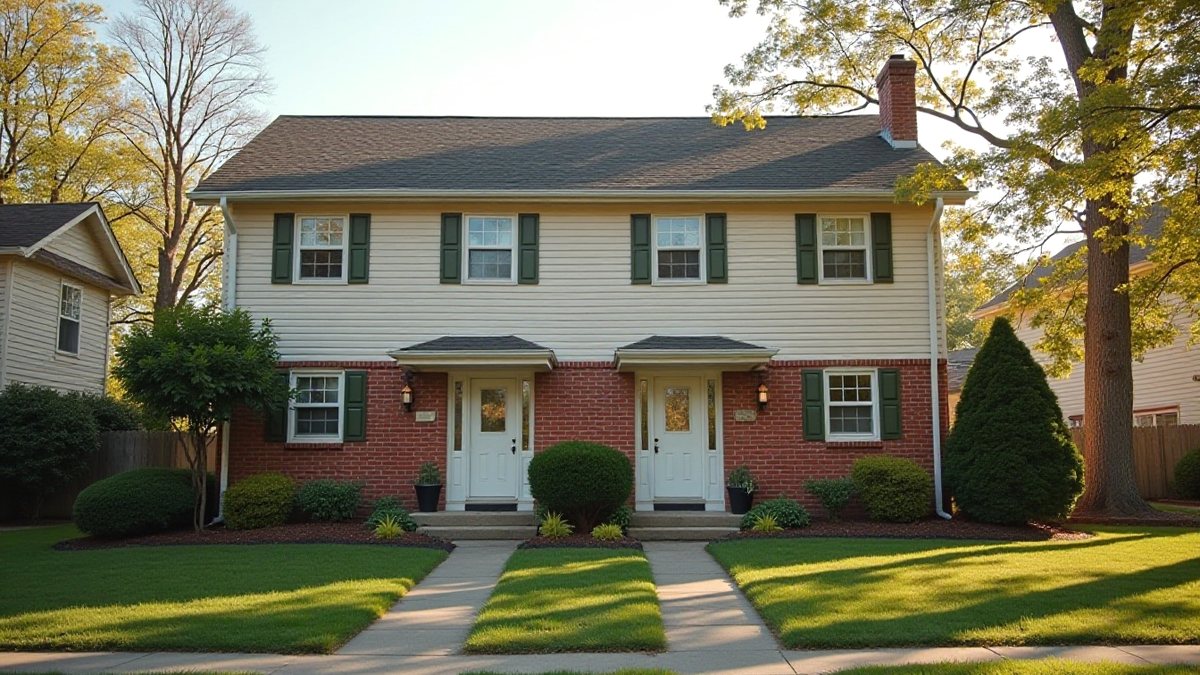
1. Name the county, then the product. A detached house in Cherokee and a townhome in Clayton are different markets that happen to share an area code. Decide which one you are underwriting before you look at a single number.
2. Pull three to five renovated comps, sold in the last six months, close to the property. Same product type, similar size, similar finish. If you cannot find them, that is information about your exit, not a gap to fill with an online estimate.
3. Check what is listed against you. In a market with more supply, your resale competes with every similar house for sale that month. Count them, and note how long they have been sitting.
4. Get contractor bids, not estimates. Add a contingency of at least ten percent for what you will find behind the walls of an older house.
5. Price the holding period at five or six months, not three. Interest, taxes, insurance and utilities for every month the property is yours. If the deal only works at 90 days, it does not work.
6. Get a real insurance quote on the specific address during diligence. Vacant-property and builder's-risk coverage costs more than a standard homeowner policy, and it belongs in the budget before you commit.
7. Know your exit before you buy. Sell or rent. If there is any chance you will hold it, check what it would rent for and whether that rent supports a DSCR refinance at the value you expect.
A deal that survives all seven is one our lending partners can usually look at quickly. Send it through the form below, or call and talk it through first.
An ARV from a metro median. Four respectable sources disagree by $90,000. Only block-level renovated comps count.
A townhome budgeted on a 2022 timeline. Attached inventory is at six-plus months of supply. The holding costs have to reflect that.
A rehab budget without contractor bids. In a market this busy with investors, trades are booked and prices move. Written bids, not estimates.
No reserves. The lender needs to see cash beyond the down payment and renovation to carry the loan if the sale runs long.
A home you plan to live in. Our lending partners cannot finance an owner-occupied property. That is federal law, not preference.
Yes. Credit is pulled and the published minimum on fix-and-flip and bridge programs is 600. It affects pricing and eligibility, but the property and the plan carry the decision.
Expect the lender to order a valuation of the property, usually an appraisal or a broker's price opinion, including an after-repair value for a renovation loan. The loan is sized on that figure, not on your estimate.
Our lending partners publish rates starting at 10.99 percent plus 1.99 origination points, available to repeat borrowers with two loans paid off in good standing. A first-time borrower should expect to start higher. Appraisal, title and closing costs are additional.
Typically, yes. You pay interest monthly and repay the principal when the property sells or is refinanced.
In practice, yes. Because the loan is capped at a share of the property's value, most Atlanta deals need the investor to bring cash for part of the purchase and closing costs, plus reserves.
Business-purpose loans on investment property sit outside many of the consumer-mortgage rules that govern a home loan, but lenders and those who arrange loans are still subject to state and federal law. Ask any lender for its licensing details and confirm them. This is general information, not legal advice.
If you keep the property as a rental, the usual exit is a DSCR loan, which is qualified on the property's rent rather than your personal income. Plan it from the start: the rent and the appraised value at refinance decide how much of your cash comes back out.
Answer these and we will tell you whether it is fundable, on what terms, and how fast it could close. Investment property only — our lending partners do not finance a home you will live in.
We will run the numbers and come back to you. If it is time-sensitive, call 903-636-7511.
Dominion Hard Money does not lend its own funds; it arranges financing through third-party lending partners. All financing is arranged for business purposes only and secured by non-owner-occupied investment property. Not a commitment to lend. All loans subject to underwriting, property review, and approval by the lender. Terms vary by property, borrower experience, and exit strategy.
Georgia · Houston · Fix and flip loans · DSCR loans · Loan calculator · Free landlord books