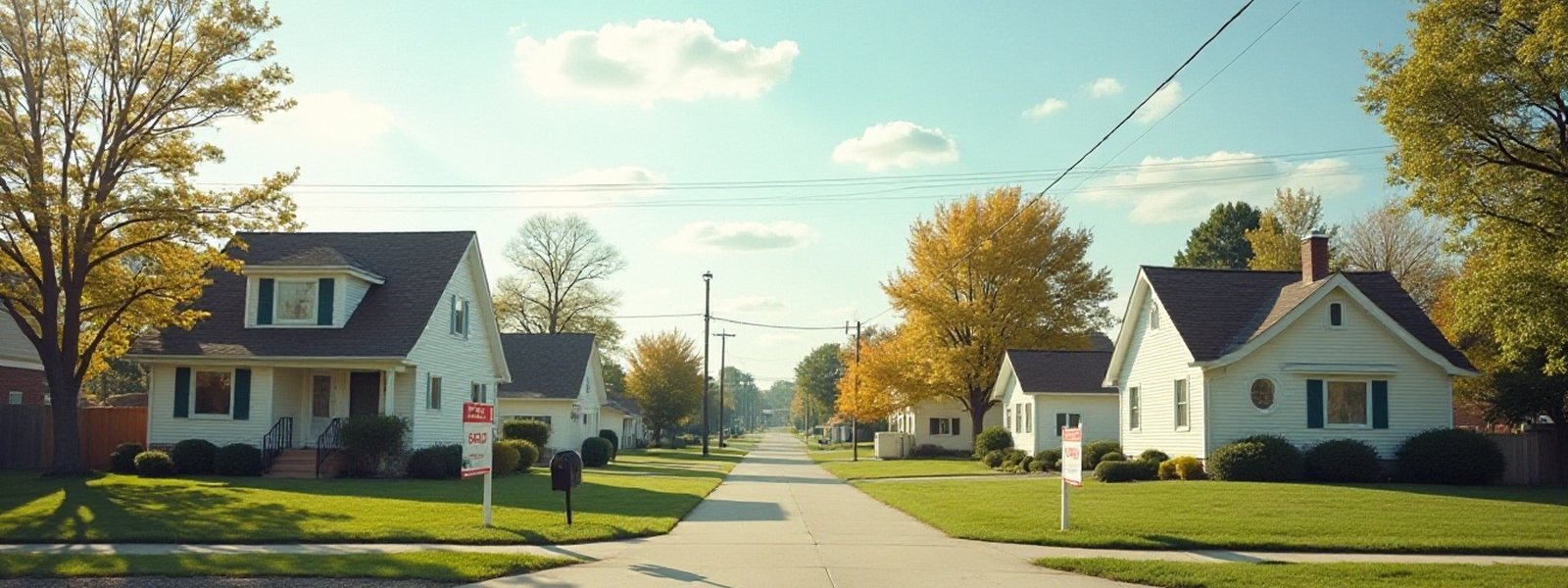
Delaware is easy to finance and easy to misjudge. Every county sits within reach of a qualifying metro, property taxes are low, and there is no sales tax. But the realty transfer tax is among the highest in the country, and recent reassessments have changed tax bills. This page covers what that means for a flip or a rental, the state's landlord rules, and our lending partners' terms.
Our lending partners' underwriting guidelines look for property within about 45 to 60 minutes of a metro area of 200,000 people or more. Delaware is small enough that the whole state passes.
New Castle County, Wilmington, Newark, Middletown and the northern suburbs, is part of the Philadelphia metro area.
Kent County, Dover and its surroundings, is within about an hour of Wilmington.
Sussex County, from Georgetown and Seaford to the beach towns, is part of the Salisbury, Maryland metro area.
So in Delaware the questions that decide a deal are about cost, not location. Two rules still apply: a finished value of at least $100,000, and a lot of two acres or less, which excludes some of the larger rural parcels in Kent and Sussex.
Delaware's property taxes are low by East Coast standards, but its realty transfer tax is among the highest in the country: typically 4 percent of the price in combined state and local tax, customarily split between buyer and seller.
For a flipper that changes the math more than almost any other Delaware rule. Buy for $250,000 and sell for $350,000, with the tax split the customary way, and your share is about $5,000 on the purchase and $7,000 on the sale: roughly $12,000 in transfer tax on one flip. In a state with a 0.1 percent tax the same flip would pay about $600.
Put the transfer tax in your numbers on day one, next to commissions, and check the contract to see who is paying what. It is negotiable, and on a flip, where you are both the buyer and the seller, it is worth negotiating on both ends.
The Delaware Residential Landlord-Tenant Code applies statewide.
Security deposits: no more than one month's rent on a lease of a year or more, except for a furnished unit. The deposit must be held in a disclosed, federally insured escrow account and returned, with an itemized list of any deductions, within 20 days after the lease ends. Missing the deadline can cost double the amount withheld.
Rent increases: at least 60 days' written notice, and the tenant has 15 days to respond.
Unpaid rent: after the grace period, a five-day notice to pay or quit before filing for eviction, and late fees capped at 5 percent of the monthly rent.
Ending a month-to-month tenancy: 60 days' written notice.
These are more tenant-protective than in many Southern and Midwestern states, but they are clear and statewide, which makes them easy to plan around.
Delaware's counties recently completed their first general reassessments in decades, and the new values now drive tax bills. A tax figure copied from an old listing, or from a website that has not caught up, may not match what the property will actually owe. Pull the current assessment and the latest bill from the county, and add the school district rate, before you estimate holding costs on a rental.
Delaware also forecloses through the courts, a slower process than trustee sales, which is part of why every lender looks closely at the exit plan.
No Delaware county is on the list where our lending partners cap leverage at 50 percent, so standard terms apply statewide.
Fix and flip and bridge loans: from $50,000, up to 100 percent of cost but no more than 70 percent of after-repair value, with a 600 minimum credit score. Standard pricing under the underwriting guidelines is 12.99 percent and 2.99 points. The 10.99 percent starting rate is available after two loans have been paid off in good standing with our lending partner; a first-time borrower should expect to start above it and earn the way down.
DSCR rental loans: $75,000 to $2 million at up to 80 percent of value, qualified on the rent, with rates from 5.99 percent on the program page.
Construction loans: $100,000 to $3 million on non-owner-occupied single-family homes, from 8.5 percent.
Loans close in an entity such as an LLC, and every owner of 30 percent or more personally guarantees the loan. Terms change, so we confirm them for your property before you commit.
Yes. Delaware is one of the states our lending partners finance in, and all three counties sit within reach of a qualifying metro: New Castle County is part of the Philadelphia metro, Kent County is within about an hour of Wilmington, and Sussex County is part of the Salisbury metro. The property must be non-owner-occupied with an after-repair value of at least $100,000.
Delaware's combined state and local realty transfer tax is typically 4 percent of the price, customarily split between buyer and seller. On a flip, where you buy and then sell, that can add up to about 4 percent of the property's value across the two transactions.
For a lease of a year or more, no more than one month's rent, except on a furnished unit. The deposit must be held in a disclosed, federally insured escrow account and returned, with an itemized list of any deductions, within 20 days after the lease ends.
At least 60 days' written notice. The tenant then has 15 days to respond. Delaware has no statewide rent control.
After the grace period, the landlord can serve a five-day notice to pay or quit before filing for eviction. Late fees are capped at 5 percent of the monthly rent.
Yes. Delaware's counties completed their first general reassessments in decades, with new values used for recent tax bills, so an older tax figure on a listing may not match what you will actually pay. Check the county's current assessment and bill before you estimate holding costs.
Holding a Delaware rental? Our two free landlord books compare what a rental costs to carry across the states.
Answer these and your deal goes to our lending partner's team, who will contact you about whether it is fundable and on what terms. By sending it you agree to your details being shared with them. Investment property only — our lending partners do not finance a home you will live in.
Thank you. Your details are on their way to our lending partner's team, who will contact you shortly.
Dominion Hard Money does not lend its own funds; it arranges financing through third-party lending partners. All financing is arranged for business purposes only and secured by non-owner-occupied investment property. Not a commitment to lend. All loans subject to underwriting, property review, and approval by the lender. Terms vary by property, borrower experience, and exit strategy.
Maryland · Pennsylvania · DSCR rental loans · Fix and flip loans · All states