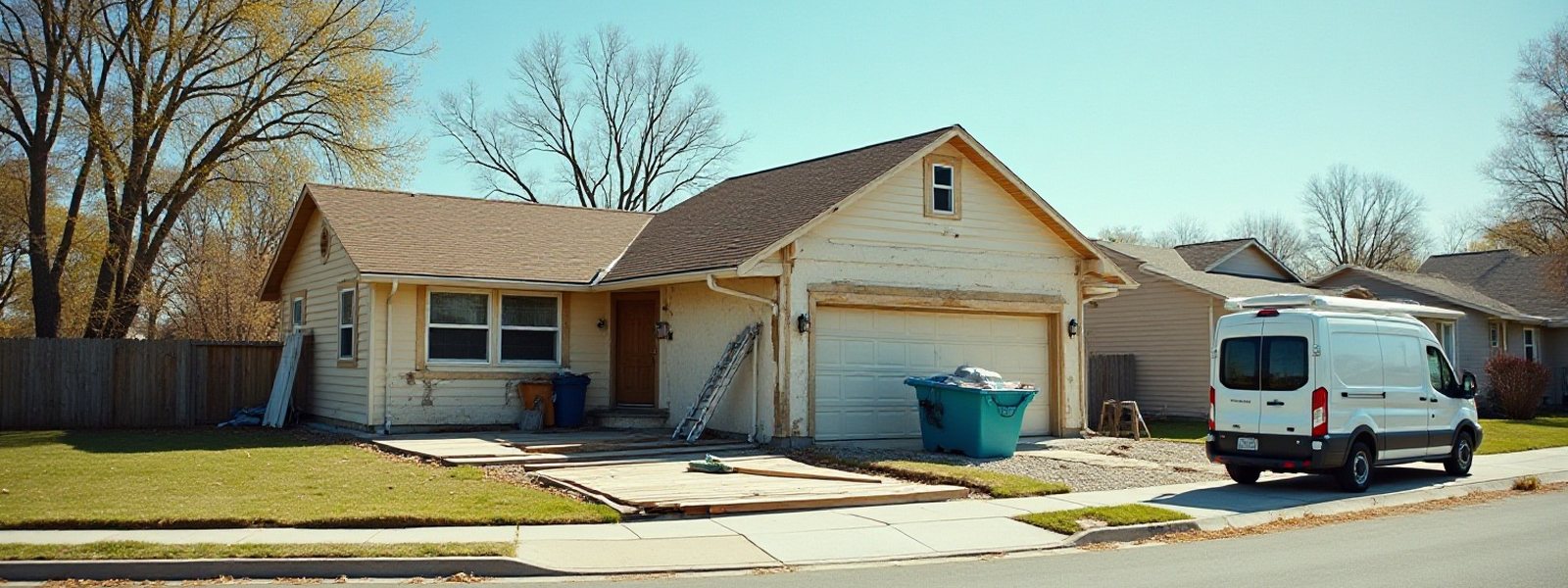
Austin is the hardest big market in Texas to flip in right now. The 2026 numbers show the thinnest typical margins of any large metro in the country. But the city's zoning changes have opened up building and lot-split projects that did not exist a few years ago. This page covers the flip math, the HOME changes and how construction financing fits, rentals, and our lending partners' terms.
Austin passes every location test our lending partners use, from central Austin out to Round Rock, Georgetown, Cedar Park, Pflugerville, Kyle, Buda and San Marcos. The value floor of $100,000 is rarely an issue here.
The flip numbers are the issue. ATTOM's report on the first quarter of 2026 put the typical gross flipping margin in the Austin metro at 2 percent, the lowest of any metro of a million people or more in the country. On a $450,000 purchase, that is a resale around $459,000, before renovation, financing, taxes, insurance and commissions, which flippers estimate at 20 to 33 percent of the resale price. After the run-up and correction of the last few years, the typical Austin flip is a loss.
That does not mean Austin investors have no plays. It means the plays are different: buying well below market, adding value a cosmetic flip cannot, or building.
The City of Austin's HOME initiative, adopted in two phases in 2023 and 2024, changed what can be built on a great deal of residential land. In broad terms, it allows many lots that once held one house to hold up to three homes, and it allows new single-family lots to be much smaller than before.
For an investor, that turns some Austin properties from a thin flip into a different project: split a lot and build new houses, add units behind an existing home, or buy a teardown for the land. Before you plan around it, confirm the current rules, your lot's zoning, deed restrictions and utility capacity with the city and a local land-use professional. Many neighborhoods carry private deed restrictions that the city rules do not override.
How financing fits. Our lending partners' construction program finances non-owner-occupied single-family homes, from $100,000 to $3 million, starting at 8.5 percent, for 12 to 24 months, up to 75 percent of the as-is value and 85 percent of after-repair value, with a 650 minimum credit score. A lot split with new single-family homes can fit that. A plan to put several units on one lot may need a different product, so ask before you pay an architect.
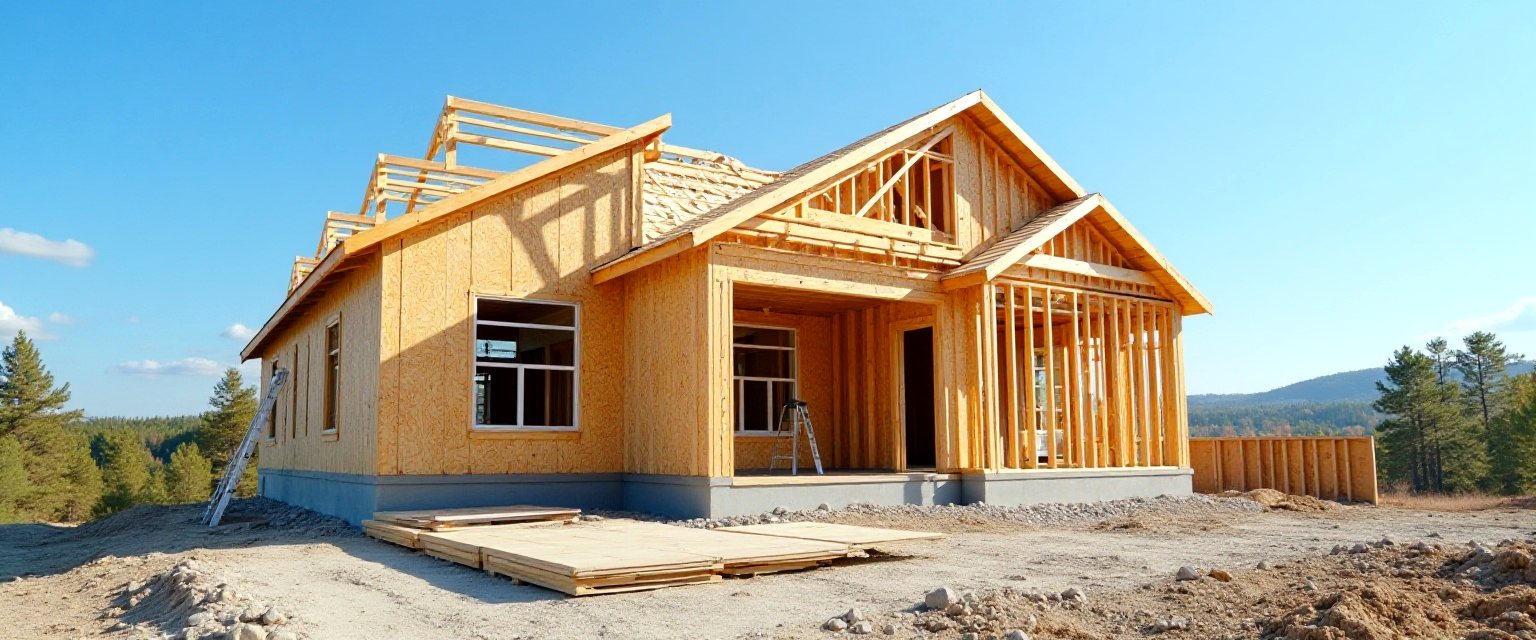
Austin rents have softened with the wave of new apartments, so run a rental on today's rent, not last year's. A DSCR loan qualifies the property on that rent: our lending partners' program runs from $75,000 to $2 million at up to 80 percent of value, with rates from 5.99 percent on the program page.
The swing number is property tax. Texas has no state income tax and makes up for it at the county and school district level. Texas also limits yearly appraisal increases on non-homestead property, but only after a full calendar year of ownership, and the limit is removed when the property sells. A house the seller held for years may be taxed well below the price you pay. Estimate taxes on that price, and if the appraisal district overshoots, the usual protest deadline is May 15 or 30 days after your notice, whichever is later.
No transfer tax. Texas does not tax the sale of real estate.
Non-disclosure. Sale prices are not public, so after-repair values come from closed sales in the multiple listing service. In a market where the typical margin is 2 percent, a value built from a website estimate is a gamble.
Fast foreclosure. Texas generally forecloses outside court on the first Tuesday of the month, which keeps lenders comfortable and puts auction properties on the market regularly.
No Texas county is on the list where our lending partners cap leverage at 50 percent, so standard terms apply.
Fix and flip and bridge loans: from $50,000, up to 100 percent of cost but no more than 70 percent of after-repair value, with a 600 minimum credit score. Standard pricing under the underwriting guidelines is 12.99 percent and 2.99 points. The 10.99 percent starting rate is available after two loans have been paid off in good standing with our lending partner; a first-time borrower should expect to start above it and earn the way down.
Loans close in an entity such as an LLC, and every owner of 30 percent or more personally guarantees the loan. Terms change, so we confirm them for your property before you commit.
Yes. Austin, Round Rock, Georgetown, Pflugerville, Cedar Park, Kyle, Buda and San Marcos all sit within a metro of well over two million people, so they meet our lending partners' location guideline. The property must be non-owner-occupied investment property with an after-repair value of at least $100,000.
Rarely at the typical margin. ATTOM's report on the first quarter of 2026 put the typical gross flipping margin in the Austin metro at 2 percent, the thinnest of any large metro in the country, before renovation, financing and selling costs.
It is a set of zoning changes the City of Austin adopted in 2023 and 2024. In broad terms, it lets many single-family lots hold up to three homes and allows new single-family lots to be much smaller than before. Confirm the current rules and your lot's zoning with the city before you plan around them.
Their construction program finances non-owner-occupied single-family homes, from $100,000 to $3 million, starting at 8.5 percent. A project that splits a lot and builds single-family homes can fit. Building several units on one lot may need a different product, so ask before you design around it.
No. Texas does not tax the sale of real estate. It is also a non-disclosure state, so sale prices are not public and comparable sales have to come from the multiple listing service through an agent.
Often. Texas limits yearly appraisal increases on non-homestead property only after a full year of ownership, and the limit is removed on sale. Estimate taxes on the market value you paid, not the seller's bill.
Holding an Austin rental? Our two free landlord books compare what a rental costs to carry across the states, including Texas.
Answer these and your deal goes to our lending partner's team, who will contact you about whether it is fundable and on what terms. By sending it you agree to your details being shared with them. Investment property only — our lending partners do not finance a home you will live in.
Thank you. Your details are on their way to our lending partner's team, who will contact you shortly.
Dominion Hard Money does not lend its own funds; it arranges financing through third-party lending partners. All financing is arranged for business purposes only and secured by non-owner-occupied investment property. Not a commitment to lend. All loans subject to underwriting, property review, and approval by the lender. Terms vary by property, borrower experience, and exit strategy.
Texas · San Antonio · Construction loans · DSCR rental loans · Dallas