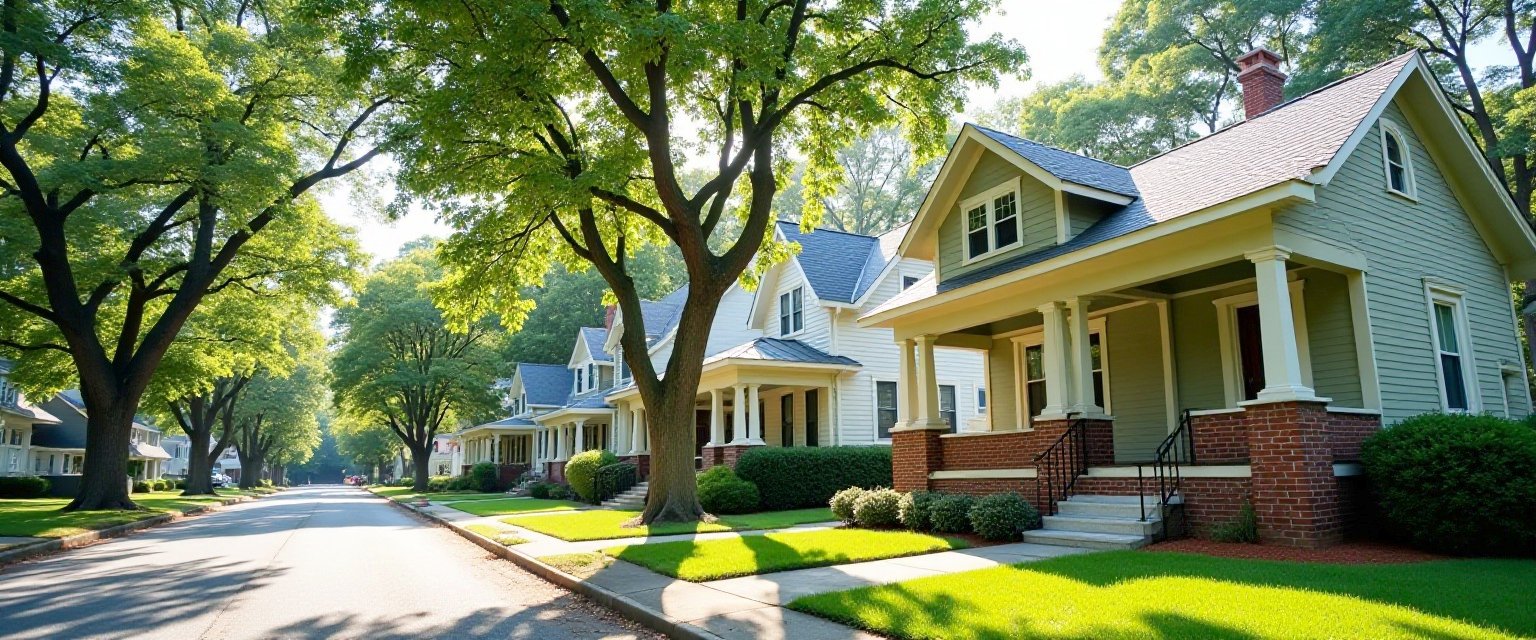
Alabama has some of the lowest property taxes in the country, and that reputation catches investors out. The low bill belongs to the homeowner. The moment a house becomes a rental, the law doubles the share of its value that gets taxed, the homestead exemption falls away, and the state's new 7 percent cap resets. Add a foreclosure redemption clock that can run for a year and Gulf Coast insurance that can outweigh the tax entirely, and Alabama rewards the investor who does the arithmetic before the offer.
Alabama taxes property on a fixed share of its market value, set out in Section 40-8-1 of the state code. Residential property a family lives in falls in Class III and is assessed at 10 percent. Property not otherwise classified, which is where a tenant-occupied rental lands, is Class II and is assessed at 20 percent. The local millage is then applied to that assessed value.
So the same house carries twice the taxable value once it is rented. A $200,000 house that a homeowner lives in is assessed at $20,000; as a rental, it is assessed at $40,000. A mill is a dollar per $1,000 of assessed value, so every 10 mills of local levy costs the homeowner $200 a year and the landlord $400. The homestead exemption requires the owner to live there on the first day of the tax year, so that disappears too.
Then there is the new cap. Act 2024-344, known as HB73, limits the yearly increase in the taxable assessed value of Class II and Class III real property to 7 percent, starting with tax collections from October 2025. Owners who have held a property for years can be sitting well below its true value. But the cap does not survive the things an investor does: it does not apply after a change of ownership, a change of class, or additions and improvements, though ordinary repairs and maintenance do not lift it. Buy a homeowner's house, renovate it and rent it, and all three happen at once. The cap also runs only through the 2027 tax year unless the legislature renews it.
The rule for Alabama underwriting is simple: throw away the seller's bill. Take the value you expect after renovation, multiply by 20 percent, and apply the real millage for that address.
Alabama is one of the states where a former owner can buy a house back after a foreclosure sale. Under Section 6-5-248, the redemption period is one year from the sale for most property. It shortens to 180 days for residential property on which a homestead exemption was claimed in the year of the sale, where the mortgage dates from January 1, 2016 or later and the required notice was mailed. The 180 days do not start until that notice is given, but no redemption can happen more than one year after the sale.
Tax sales run on a separate scheme, under Section 40-10-120 and the sections after it, with a redemption period of three years. Investors used to one set of rules regularly confuse the two.
For a hard money deal this matters more than the auction price. A property still inside its redemption period is hard to insure with a clean title policy, hard to resell, and hard to finance, because the lender needs title clear of unacceptable encumbrances before it will close. Before you bid at a courthouse sale in Birmingham, Bessemer or Mobile, ask a title company in writing what it will insure and when. Build the budget on the full redemption period, not on the day the redemption notice was supposedly sent.

Birmingham is the state's biggest investor market and its widest spread. Redfin data cited in a local agent's May 2026 market update put the median sale price inside the city of Birmingham at $192,000 for March 2026, up 13.1 percent on a year earlier, with homes averaging about 55 days on the market. That city figure sits alongside suburbs that play by different rules: Hoover, Vestavia Hills, Mountain Brook and Trussville remain tight and far more expensive, while parts of the inner city are still rebuilding from a much lower base.
Two practical points follow. First, the lender's underwriting guidelines set a minimum after-repair value of $100,000, and a real share of Birmingham's cheapest inventory sits below it. Those houses are usually outside what a hard money loan can finance, however good the purchase price looks. Second, Jefferson County has two courthouse divisions, Birmingham and Bessemer, so confirm where the property's records and any foreclosure sale actually sit before you rely on a search.
Price every Birmingham deal from renovated, comparable sales on nearby streets. A citywide median that mixes a rebuilt Southside bungalow with a boarded-up house on the west side is not an after-repair value for either.
On the coast, property tax is rarely the cost that sinks a deal. Wind insurance is. Premiums in Mobile and Baldwin counties have climbed sharply, and the carrier's quote belongs in the budget before the offer, not after closing.
Alabama's answer is the FORTIFIED roof, a standard set by the Insurance Institute for Business and Home Safety that goes beyond the building code with a sealed roof deck and stronger fastening. Alabama law requires insurers to offer discounts on the wind portion of the premium for designated homes, and the Alabama Department of Insurance calls Alabama the most FORTIFIED state in the country, with more than 51,000 designated homes, most of them in Baldwin and Mobile counties. The Strengthen Alabama Homes program cites a University of Alabama study finding FORTIFIED homes sell for nearly 7 percent more.
The catch for investors: the Strengthen Alabama Homes grant of up to $10,000 is for owner-occupied single-family homes in good repair that are not listed for sale. A flip or a rental does not qualify, so the investor pays for the upgrade. It can still be worth it. If the roof is coming off anyway, building it to the FORTIFIED standard gives the buyer a lower premium to point at, and the designation stays with the house. Ask whether the buyer's likely carrier is an admitted carrier, since those must honor the certificate; surplus lines carriers are not obliged to.
Huntsville is the other fast-moving market. The 7 percent cap was aimed partly at quickly rising values in places like Baldwin County and Huntsville. Both markets price well above Birmingham, and both need an ARV built from close comparable sales.
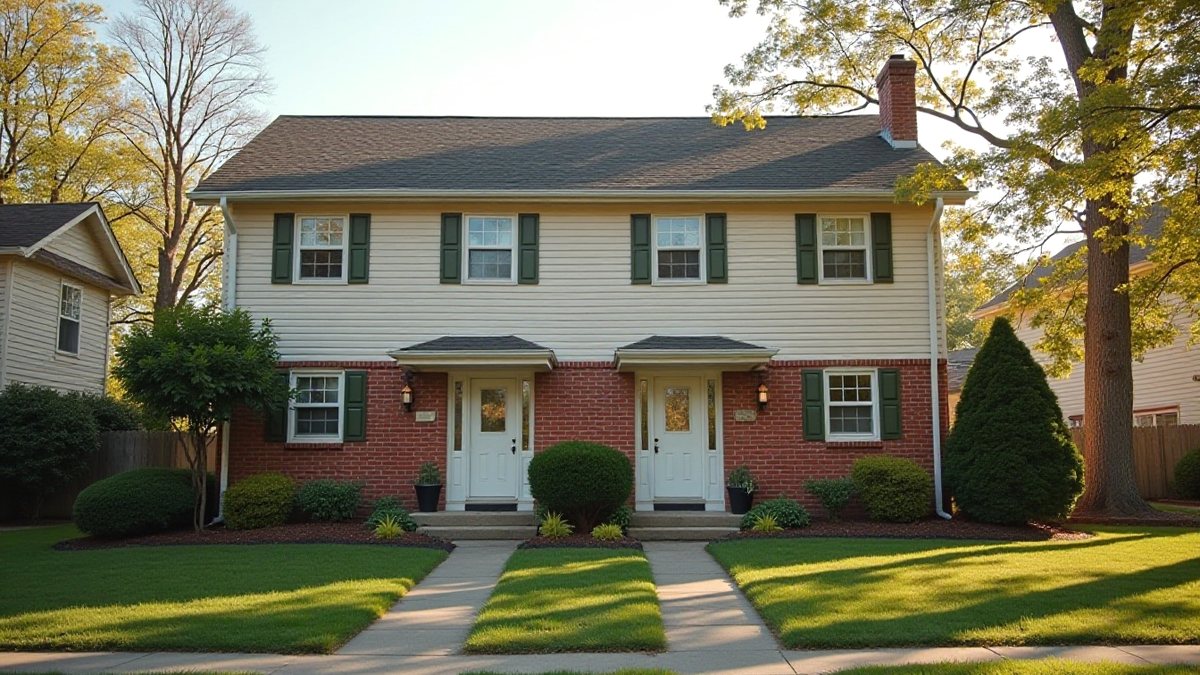
Alabama is one of the states where our lending partners pay placement fees, and none of its counties is on the lender's restricted list. The published fix-and-flip and bridge programs lend up to 100 percent of cost and 70 percent of the after-repair value, with a minimum loan of $50,000, a minimum credit score of 600, and loans of up to twelve months; the lender's underwriting guidelines set a nine-month standard term, with extensions considered case by case. The published starting rate is 10.99 percent plus 1.99 origination points.
The 10.99 percent starting rate is available after two loans have been paid off in good standing with our lending partner; a first-time borrower should expect to start above it and earn the way down.
Three other lines from the guidelines come up often here. The after-repair value must be at least $100,000. A borrower with zero or one completed project is limited to a $40,000 renovation budget. And the property should be within roughly 45 minutes to an hour of a metro area of at least 200,000 people, which Birmingham, Huntsville, Mobile and Montgomery all are, but much of rural Alabama is not.
Here is a Birmingham example. A house worth $190,000 after renovation supports a loan of up to $133,000 at 70 percent. If purchase and renovation together cost $145,000, the investor brings about $12,000 plus closing costs and at least $15,000 in reserves. If the plan is to keep it as a rental, the tax is figured on $38,000 of assessed value, 20 percent of $190,000, times the local millage.
1. Recalculate the tax as a rental. Twenty percent of the after-repair value, times the millage for that address. No homestead exemption, and no 7 percent cap after the sale.
2. Check the after-repair value clears $100,000. Below it, a hard money loan may not be available at all.
3. At a foreclosure or tax sale, find out the redemption period first. One year, 180 days or three years change the whole plan. Get a title company's answer in writing.
4. On the coast, get the insurance quote before the offer. Ask what a FORTIFIED roof would take off it, and whether the carrier is admitted.
5. Price it street by street. Birmingham's city and suburban medians describe different markets.
6. Get written contractor bids and add at least ten percent. First-time borrowers should keep the scope inside $40,000.
7. Decide the exit before you buy. If you may keep it, check that the rent covers a DSCR payment with the rental tax and real insurance included.
A title still inside a redemption period. The lender needs clear title before it closes, and a former owner's right to buy back is not a small detail.
An after-repair value under $100,000. Common in parts of Birmingham, Montgomery and rural Alabama.
A tax line copied from the homeowner's bill. The rental is assessed at double the ratio, without the exemption or the cap.
No insurance quote on a coastal property. In Mobile and Baldwin counties it can be the biggest carrying cost in the deal.
A home you plan to live in. Our lending partners cannot finance an owner-occupied property. That is federal law, not preference.
Our lending partners publish rates starting at 10.99 percent plus 1.99 origination points, available to repeat borrowers with two loans paid off in good standing. A first-time borrower should expect to start higher. Appraisal, title and closing costs are additional.
Yes, and in Huntsville and Montgomery too. None of Alabama's counties is on the lender's restricted list, so standard leverage applies, subject to the $100,000 minimum after-repair value and underwriting of each deal.
Sometimes, but the redemption period comes first. After most foreclosure sales the former owner can redeem for up to a year, and after a tax sale for up to three. The lender needs clear title to close, so talk to a title company before you bid.
A home the owner lives in is assessed at 10 percent of its value; a rental is assessed at 20 percent. The homestead exemption ends when the owner moves out, and the 7 percent annual cap does not carry over after a sale.
Yes. The property carries most of the weight, but our lending partner pulls credit on every guarantor and sets a minimum middle score of 600. A bankruptcy, foreclosure or short sale in the past 36 months generally makes a borrower ineligible, though it can be reviewed with an explanation.
Yes. Private, business-purpose loans secured by investment property are a normal part of the market. Lenders and anyone arranging loans are still subject to state and federal law, so ask any lender for its licensing details and confirm them. This is general information, not legal advice.
Want the long version? Two free landlord books cover what a rental really costs to hold and what the new federal housing law actually changed.
Answer these and we will tell you whether it is fundable, on what terms, and how fast it could close. Investment property only — our lending partners do not finance a home you will live in.
We will run the numbers and come back to you. If it is time-sensitive, call 903-636-7511.
Dominion Hard Money does not lend its own funds; it arranges financing through third-party lending partners. All financing is arranged for business purposes only and secured by non-owner-occupied investment property. Not a commitment to lend. All loans subject to underwriting, property review, and approval by the lender. Terms vary by property, borrower experience, and exit strategy.
Georgia · Florida · Missouri · Fix and flip loans · DSCR loans · Loan calculator