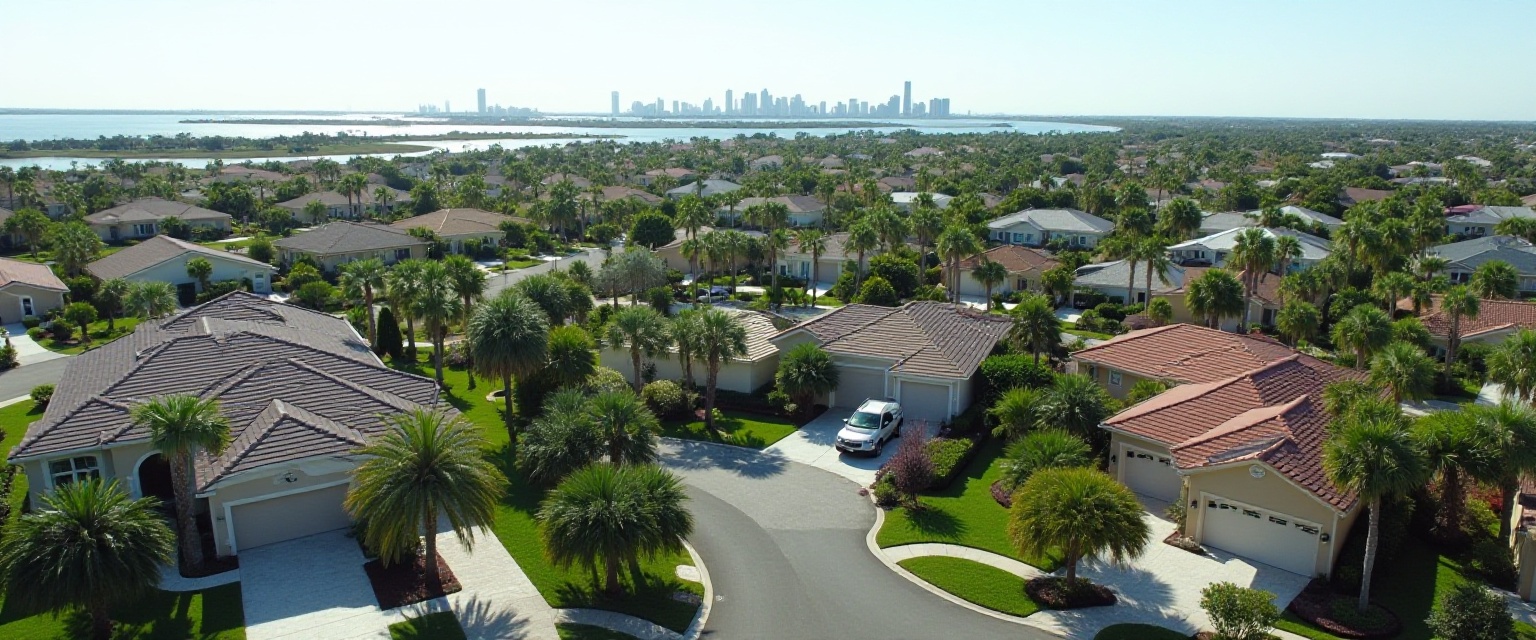
In Rhode Island, where a property sits rarely stops a loan, because the whole state lies inside the Providence metro area. What does change the numbers is the age of the housing, the state's lead law for rentals, and a conveyance tax that rose 63 percent in October 2025. This page covers all three, then our lending partners' terms for Rhode Island investment property.
Our lending partners' underwriting guidelines look for property within about 45 to 60 minutes of a metro area of 200,000 people or more. In Rhode Island that test almost disappears: the whole state sits inside the Providence metro area, one of the largest in New England, and no mainland town is much more than an hour from downtown Providence.
So the questions that decide a Rhode Island deal are different. The houses are old, the state's lead law applies to most rentals, and the conveyance tax went up sharply in 2025. Those three things belong in the numbers before you make an offer.
Rhode Island's Department of Health says it plainly: most homes in the state were built before 1978, and they are very likely to have lead paint. That makes the state's Lead Hazard Mitigation Law part of nearly every rental deal.
The certificate. Most rentals built before 1978 need a Certificate of Lead Conformance. The landlord hires a licensed lead inspector. If the inspection finds hazards, they must be fixed within 30 calendar days and the property reinspected. The certificate must be renewed at least every two years, and a change of tenant triggers a new inspection.
The registry. Pre-1978 rentals must also be registered in the statewide rental registry run by the Department of Health, with the lead documents uploaded. Fines apply for failing to register.
The stakes. RIHousing's guidance on the state law lists fines, liability for damages and loss of eviction rights as consequences of noncompliance. A rental without its lead paperwork is a rental you may not be able to manage.
What it means for an investor. If you are buying to rent, ask the seller for the current certificate and registry status before you sign, and price the inspection and any mitigation into the renovation budget. If you are flipping a pre-1978 house, your renovation crew needs to follow lead-safe work practices, and if your likely buyer is a landlord, a house that already passes inspection is worth more to them.

Since October 1, 2025, Rhode Island's real estate conveyance tax is $3.75 per $500 of the price, up from $2.30. That is 0.75 percent, and state law puts it on the seller unless the contract says otherwise. On residential sales above a threshold of $824,000 in 2026, adjusted for inflation each year, another $3.75 per $500 applies to the part of the price above it.
For a flipper the seller's side is the one that matters, because you are the seller at the end. On a $350,000 resale the tax is about $2,625, roughly $1,000 more than the same sale would have cost before the increase. It comes straight out of the profit, so put it in the numbers alongside commissions.
Short-term rental investors have a second change to price in: whole homes and condos rented for less than 30 days became subject to a new state tax on January 1, 2026, alongside the local hotel tax.
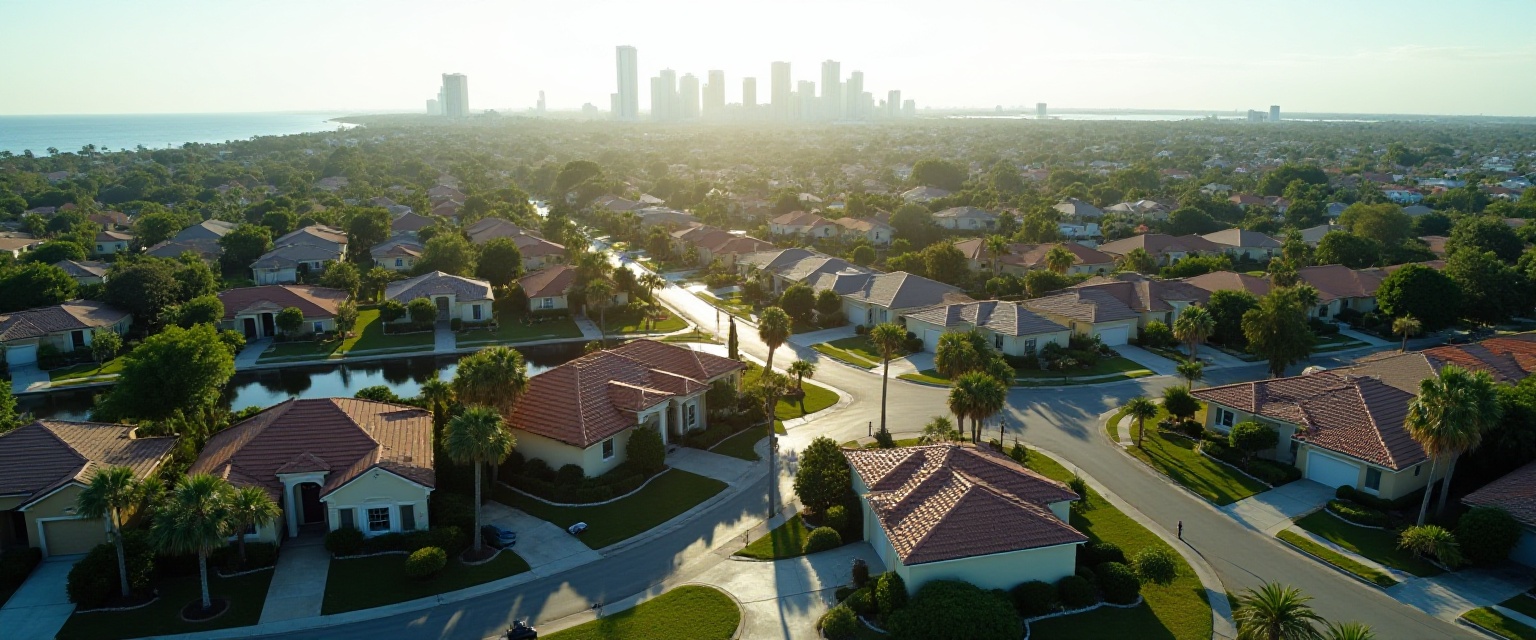
A Rhode Island landlord may not require a security deposit of more than one month's rent. Add the lead certificate and registry, and a rental's setup costs are front-loaded compared with many states, while the tenant pool around Providence, Pawtucket, Cranston and Warwick is deep.
That is a good fit for a DSCR loan, which qualifies on the rent rather than your income. Our lending partners' DSCR program runs from $75,000 to $2 million at up to 80 percent of value, with rates from 5.99 percent on the program page. Remember that the lender's appraiser will estimate market rent, so a lead-certified, rent-ready unit supports a stronger number than one that still needs work.
No Rhode Island county is on the list where our lending partners cap leverage at 50 percent, so standard terms apply.
Fix and flip and bridge loans: from $50,000, up to 100 percent of cost but no more than 70 percent of after-repair value, with a 600 minimum credit score. Standard pricing under the underwriting guidelines is 12.99 percent and 2.99 points. The 10.99 percent starting rate is available after two loans have been paid off in good standing with our lending partner; a first-time borrower should expect to start above it and earn the way down.
Construction loans: $100,000 to $3 million on non-owner-occupied single-family homes, from 8.5 percent.
Loans close in an entity such as an LLC, and every owner of 30 percent or more personally guarantees the loan. Terms change, so we confirm them for your property before you commit.
Yes. Rhode Island is one of the states our lending partners finance in, and because the whole state sits within the Providence metro area, nearly every address passes their location rule. The property must be non-owner-occupied investment property with an after-repair value of at least $100,000.
Since October 1, 2025, it is $3.75 for every $500 of the price, or 0.75 percent, paid by the seller unless the contract says otherwise. On residential sales above $824,000 in 2026, an additional $3.75 per $500 applies to the portion above that threshold.
Most do if the building was put up before 1978. The landlord must have a licensed lead inspector inspect the property and obtain a Certificate of Lead Conformance, renew it at least every two years, and get a new one when tenants change. Pre-1978 rentals must also be registered in the state rental registry run by the Department of Health.
Fines, liability for damages, and, according to RIHousing's guidance on the state law, possible loss of eviction rights. For an investor, a rental without its lead paperwork is a rental that may be very hard to manage.
Not directly if you sell to someone who will live in the house. But if your buyer is a landlord, or if you plan to rent the house instead, the lead work and certificate are part of the deal. Budget for lead-safe work practices on any pre-1978 renovation either way.
A Rhode Island landlord may not require a security deposit of more than one month's rent. Rules on returning it, and on deductions, are set by the state's Residential Landlord and Tenant Act.
Buying a Rhode Island rental to hold? Our two free landlord books compare what a rental costs to carry across the states.
Answer these and your deal goes to our lending partner's team, who will contact you about whether it is fundable and on what terms. By sending it you agree to your details being shared with them. Investment property only — our lending partners do not finance a home you will live in.
Thank you. Your details are on their way to our lending partner's team, who will contact you shortly.
Dominion Hard Money does not lend its own funds; it arranges financing through third-party lending partners. All financing is arranged for business purposes only and secured by non-owner-occupied investment property. Not a commitment to lend. All loans subject to underwriting, property review, and approval by the lender. Terms vary by property, borrower experience, and exit strategy.
Massachusetts · Connecticut · DSCR rental loans · Fix and flip loans · All states