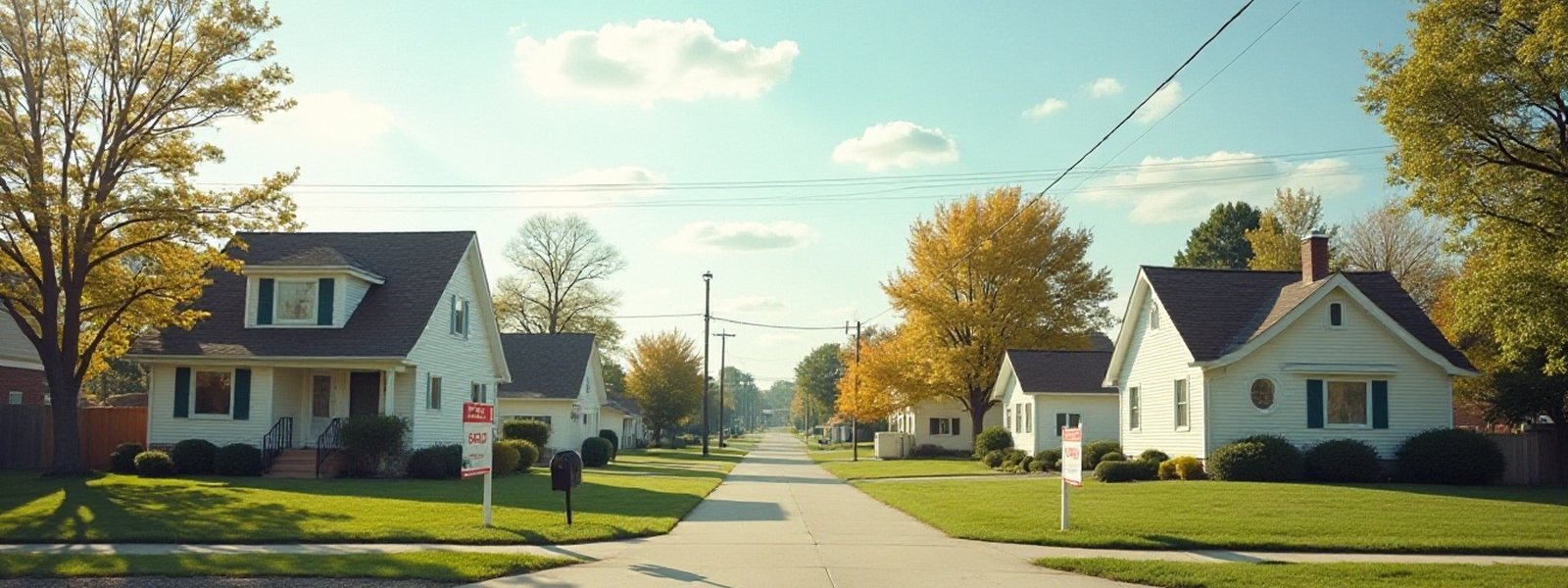
Columbus is Ohio's fastest-growing big metro, and for investors it has an advantage Cleveland lacks: Franklin County is financed on standard terms. This page covers what that means for a flip or a rental, Ohio's rule for registering rental property with the county auditor, how reappraisals move Columbus tax bills, and our lending partners' terms.
Columbus is the fastest-growing big metro in Ohio, anchored by state government, a huge university, health systems and a string of large employers on its edges. For investors, that means demand from renters and buyers across a wide range of price points, from older neighborhoods near downtown to newer suburbs in Delaware and Licking counties.
It also means financing is straightforward. Franklin County is not one of the six counties where our lending partners cap leverage at 50 percent, so, unlike Cleveland, Columbus deals are financed on standard terms: up to 100 percent of cost, capped at 70 percent of after-repair value. The metro easily passes the location guideline, and most of it clears the $100,000 value floor.
Ohio law requires owners of residential rental property to register it with the county auditor, and counties can enforce the requirement. If you own through an LLC, the registration names who is responsible for the property. For a Columbus rental, that means the Franklin County Auditor, and it belongs on your closing checklist.
The state's landlord rules are straightforward. A three-day written notice to leave comes before an eviction filing. Security deposits have no cap, but they must be returned with an itemized list within 30 days after the tenancy ends, and part of a larger deposit held six months or more can earn the tenant interest.
A DSCR loan qualifies a Columbus rental on its rent rather than your income. Our lending partners' DSCR program runs from $75,000 to $2 million at up to 80 percent of value, with rates from 5.99 percent on the program page.
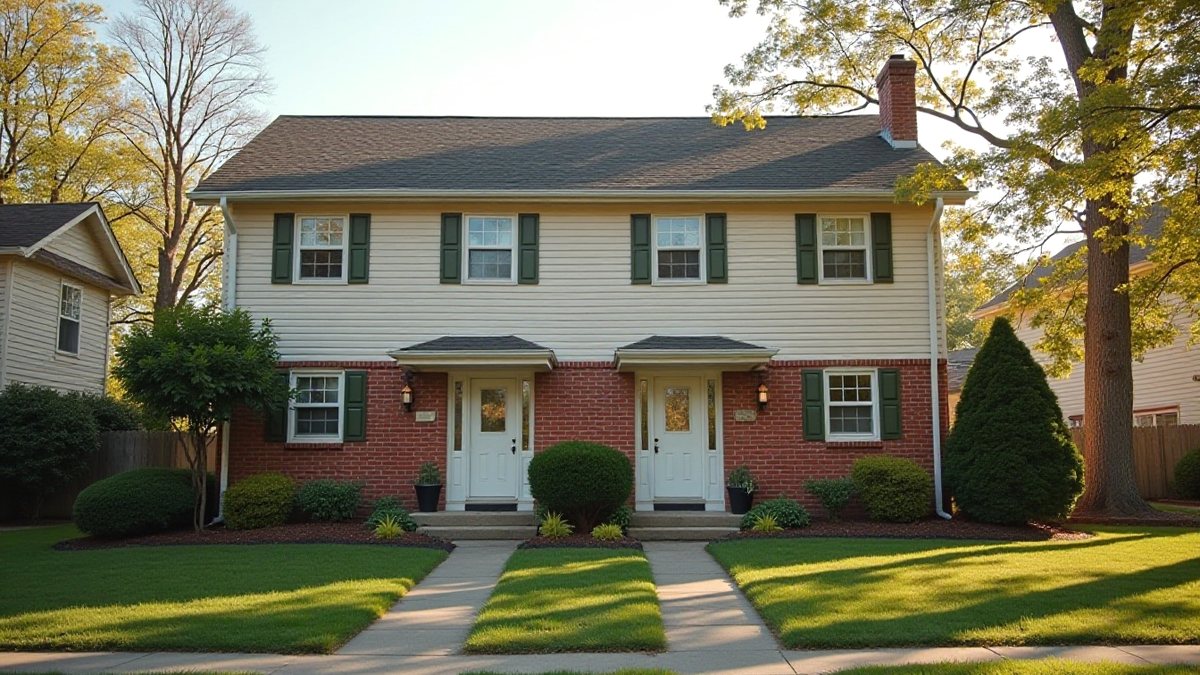
Ohio taxes 35 percent of the county auditor's appraised value. Counties reappraise every six years, with an update at the midpoint, and in a fast-growing county a reappraisal can raise values sharply. Ohio's tax-reduction factors limit how much of a value increase turns into higher voted levies, but they do not stop every bill from rising.
For an investor, the rule is simple: use the auditor's current value for the property, and ask whether a reappraisal or update is due, before you estimate a rental's taxes. A 2022 state law also sharply limited school districts' ability to challenge a property's value, so a purchase in Ohio is less likely than in Pennsylvania to set off an appeal.
Conveyance fee: Ohio charges a conveyance fee on each sale, set by county at up to $4 per $1,000 of value and customarily paid by the seller. On a $280,000 resale, that is at most about $1,120.

Fix and flip and bridge loans: from $50,000, up to 100 percent of cost but no more than 70 percent of after-repair value, with a 600 minimum credit score. Standard pricing under the underwriting guidelines is 12.99 percent and 2.99 points. The 10.99 percent starting rate is available after two loans have been paid off in good standing with our lending partner; a first-time borrower should expect to start above it and earn the way down.
Construction loans: $100,000 to $3 million on non-owner-occupied single-family homes, from 8.5 percent, for investors building on infill lots or in growing suburbs.
Loans close in an entity such as an LLC, and every owner of 30 percent or more personally guarantees the loan. Terms change, so we confirm them for your property before you commit.
Yes, on standard terms. Franklin County is not on the list of six counties where our lending partners cap leverage at 50 percent, so Columbus and its suburbs can be financed up to 100 percent of cost and 70 percent of after-repair value. The property must be non-owner-occupied investment property.
Ohio law requires owners of residential rental property to register it with the county auditor, and counties can enforce that requirement. If the owner is an LLC or other entity, the registration names who is responsible for it. Register a Columbus rental with the Franklin County Auditor when you buy it.
Ohio taxes 35 percent of the county auditor's appraised value, and counties reappraise on a regular six-year cycle with an update in between. When a reappraisal lands, values can jump, so check the current auditor value, not an older listing figure, before you estimate a rental's taxes.
A three-day written notice to leave the premises, then an eviction case in municipal or county court.
Ohio does not cap the amount. The deposit, with an itemized list of deductions, must be returned within 30 days after the tenancy ends, and part of a larger deposit held for six months or more can earn the tenant interest.
Franklin County and the surrounding counties in the Columbus metro, including Delaware, Licking, Fairfield, Pickaway, Union and Madison, generally meet our lending partners' location guideline and are financed on standard terms.
Holding a Columbus rental? Our two free landlord books compare what a rental costs to carry across twelve states, including Ohio.
Answer these and your deal goes to our lending partner's team, who will contact you about whether it is fundable and on what terms. By sending it you agree to your details being shared with them. Investment property only — our lending partners do not finance a home you will live in.
Thank you. Your details are on their way to our lending partner's team, who will contact you shortly.
Dominion Hard Money does not lend its own funds; it arranges financing through third-party lending partners. All financing is arranged for business purposes only and secured by non-owner-occupied investment property. Not a commitment to lend. All loans subject to underwriting, property review, and approval by the lender. Terms vary by property, borrower experience, and exit strategy.
Ohio · Cleveland · Construction loans · DSCR rental loans · Fix and flip loans